
Use the current NBA accreditation documents and SAR format for the programme, tier and application cycle before preparing an engineering laboratory evidence file. A lab inventory is only one record: the department also needs accurate, retrievable evidence for the claims it makes about laboratories, practical delivery, student access, maintenance and safety. This guide explains a workable file structure; it is not an official NBA checklist and does not guarantee accreditation.
The National Board of Accreditation's Accreditation Documents directory is the primary place to select applicable forms and manuals. The directory separates documents by discipline, programme, tier and cycle and states that revised documents supersede earlier versions. As of the source check on 12 October 2026, the directory lists current undergraduate Engineering formats including Tier-I SAR material dated July 2024 and Tier-II SAR material dated January 2025. Do not assume these are interchangeable; confirm the institution and programme's applicable route in the NBA instructions or with the accreditation coordinator.
Explore the relevant equipment category
Browse the catalogue category and review individual product specifications for your laboratory requirement.
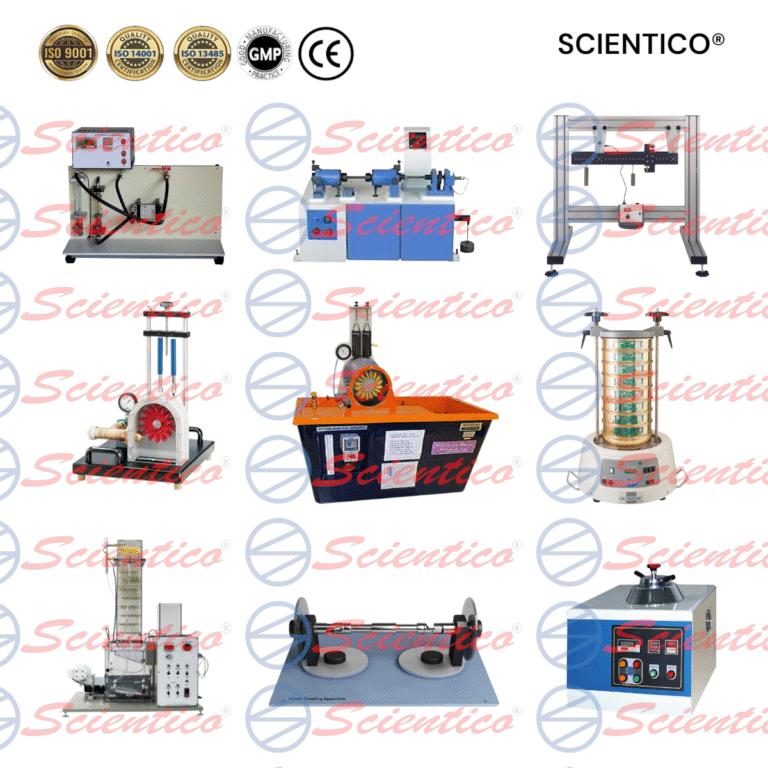
Engineering Training Equipment
Review engineering teaching apparatus by discipline, experiment and measurement requirement before selecting individual models.
Browse categoryFirst confirm the programme and document version
Before assigning criterion numbers or reusing an old SAR template, record the programme name, application cycle, tier, manual/SAR title and revision date. Read the official instructions that accompany the selected file. NBA's general accreditation FAQ states that NBA accreditation is granted to programmes, not an institution as a whole, and explains how Tier-I and Tier-II formats apply to different programme contexts. Use the official explanation for your case rather than inferring the tier from a generic vendor article or another college's documents.
When a college changes status or has a mixed set of programmes, get the applicable route confirmed before copying records or criterion numbering. A past-cycle file may still be a useful historical reference, but it should not be treated as the current submission format without a check against the live NBA directory.
Build one traceable record for each laboratory
Keep a concise index for each laboratory and connect its records to the sections of the current SAR that the programme is addressing. A practical index can include:
- Laboratory name, location, responsible staff and the programmes/courses that use it.
- Equipment inventory with product name, make/model where known, quantity, acquisition or commissioning record if available, current condition and availability status.
- Course and practical schedule showing the activities the lab is planned to support.
- Utilization or class records maintained by the department, with dates, groups and relevant staff, where required by the institution's evidence plan.
- Maintenance and repair records; instrument calibration information when calibration is relevant to measurement and the applicable procedure requires it.
- Safety procedures, supervision arrangements and training records tied to the room and equipment actually in use.
- Purchase, receipt, acceptance and handover documents that establish what was supplied and when.
Do not manufacture a record to fill a folder. If an item is shared, out of service, under repair or awaiting a document, record its actual status and follow the programme's improvement process. The file should describe the laboratory as it is, not create a more favourable impression than the evidence supports.
Map a SAR claim to laboratory evidence
For every statement in the SAR about a facility, equipment resource or laboratory activity, make a short evidence map with the statement, source record, owner, location and date last checked. For example, if the report describes a practical activity, connect it to the current course material and the equipment used for that activity. If it describes availability, connect it to the inventory and note any shared or unavailable item. Use the exact definitions and evidence expectations in the current SAR rather than assuming a previous criterion number still applies.
This mapping also helps academic and procurement teams identify a genuine gap. First check whether the problem is an inventory error, maintenance issue, scheduling constraint, missing document or a real shortfall in equipment. Purchase only when the programme has defined the requirement and confirmed that the item supports a documented teaching need. Buying more apparatus does not substitute for accurate academic evidence.
Laboratory documentation checklist for procurement handover
At the point of procurement, the institution can specify which records it needs from the supplier for the selected models. The applicability depends on the equipment, tender and contract. Consider requesting, where relevant:
- Exact model and a clear scope-of-supply list, with accessories and exclusions stated.
- Technical literature and utilities/site requirements for the delivered configuration.
- Operating, maintenance and safety instructions for the supplied equipment.
- Calibration or conformity documents only where applicable to the model and written requirement.
- Installation, commissioning or acceptance information if those services are included in the order.
- Warranty terms, spares/consumables identifiers and the route for requesting service or replacements.
Keep the supplier's product documents distinct from the institution's own course files, utilization records, safety procedures and outcome evidence. A supplier cannot create or guarantee the latter on the college's behalf.
Prepare the visit without pretending to predict it
The official NBA SAR, manual and evaluation guidance determine the evidence requirements. A local readiness exercise can still help staff find records quickly. Choose a sample claim, ask the assigned staff member to locate its source documents, verify that the laboratory and inventory status agree, and list gaps for follow-up. This tests the department's filing and coordination; it should not be represented as a mock NBA score or a forecast of evaluator questions.
- Confirm the live NBA document and application instructions for the programme.
- Assign an owner to each laboratory record and evidence folder.
- Check identifiers, dates and status across the SAR, inventory and supporting records.
- Confirm which staff can explain the course activity and equipment relationship.
- Log missing records or unavailable equipment and track a truthful corrective action.
Related Scientico guides and catalogue routes
For a separate practical visit-preparation checklist, use NBA engineering laboratory visit preparation. For the published product range, browse engineering training equipment and open the exact model pages relevant to the programme's experiments. Confirm model, quantity, utilities, documents and scope through a written offer. A catalogue page describes products; it does not state or guarantee that a purchase satisfies a programme's accreditation requirements.
If an institution needs to discuss a quotation, it can share the current equipment schedule through Scientico's enquiry page. Keep the submission cycle, destination, quantity and exact document requirements in the request so the offered scope can be checked line by line.
Frequently asked questions
Does NBA accredit a college or a programme?
NBA's official FAQ describes accreditation as programme-based. Check the FAQ and current NBA instructions for details applicable to your submission.
Can we use a previous SAR file?
Use an old file only as a historical reference. Confirm the current programme, tier, cycle, manual and form in NBA's live documents directory before carrying over criteria or content.
Does this documentation guide replace NBA's manual?
No. It is a file-organization aid. The applicable NBA SAR, manual, evaluation guidance and instructions are authoritative.
Will purchasing new lab equipment improve an accreditation result?
A purchase alone does not establish an outcome. First identify a substantiated teaching or facility need, define the right specification and maintain accurate records for the selected equipment and its use.
Before you submit: verify the live NBA format, keep the lab inventory factual, and trace each accreditation statement to evidence owned by the programme.