
Water Treatment Lab Equipment
Water and wastewater treatment is taught as a sequence, not as a set of isolated machines.
Water Treatment Lab Equipment
Frequently Asked Questions
How can an institution request a quotation?
Send the product or experiment requirement, quantity, destination and any tender requirements to Scientico. The quotation is prepared against the confirmed scope.
What information should be included in a laboratory equipment enquiry?
Include the required model or syllabus, quantity, electrical supply, required accessories, destination and preferred delivery terms. This allows the equipment scope to be checked correctly.
Which documents can be discussed before ordering?
Ask for the documentation required for the selected model and destination. Availability of manuals, calibration records, declarations, packing information and export documents is confirmed in the quotation.
Showing 1–12 of 14 results
-
Water Treatment Technology
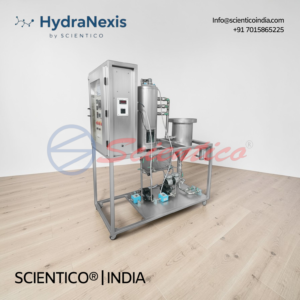
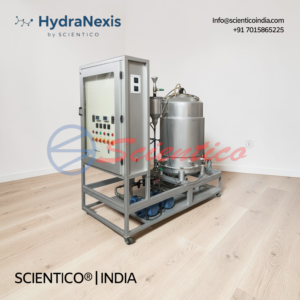
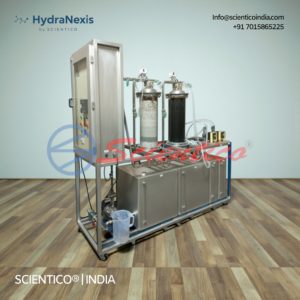
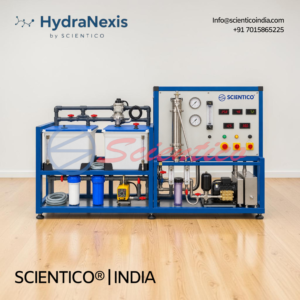
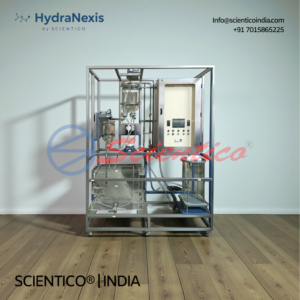
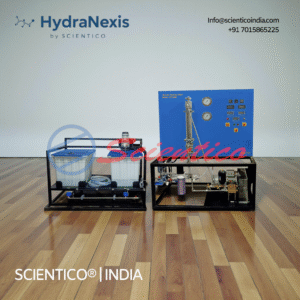
Brackish Water Reverse Osmosis Training System | HydraNexis HNX-05
Read more -
Water Treatment Technology
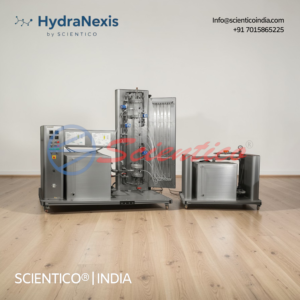
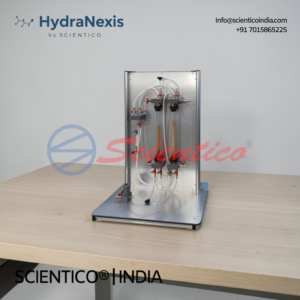
Coagulation, Flocculation and Settling Pilot Plant – HydraNexis HNX 01
Read more -
Water Treatment Technology
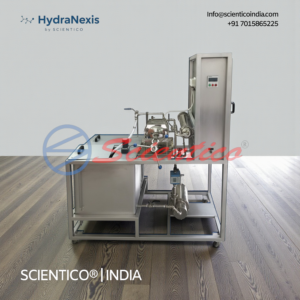
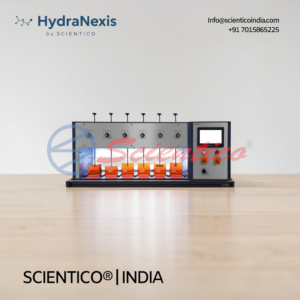
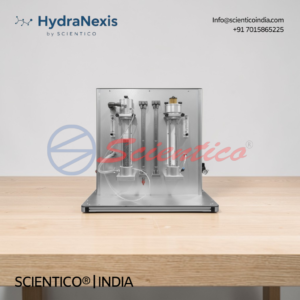
Permeability and Fluidization Studies Apparatus – HydraNexis HNX 12
Read more
How to Specify Water Treatment Technology for a Lab or Tender
Plan water and wastewater practicals in coagulation, filtration, sedimentation, biological treatment, ion exchange and membrane processes. Start with the product or experiment name. Use a catalogue model only to identify the configuration being offered after the buyer's functional requirement is clear.
Questions to settle before requesting prices
- Which treatment stage and water-quality outcome are required?
- What feed, recirculation and sampling arrangement is expected?
- Which media, dosing items or membranes are reusable or consumable?
- Which flow, pH, conductivity or other measurements must be included?
How to compare distributor or supplier offers
Compare treatment stages, sampling points, instrumentation, media and consumables rather than accepting a generic pilot-plant description.
Keep the buyer's original line numbers. Record the offered product, model, included scope, deviation and document reference in separate columns.
Information Scientico needs
Send the product names or syllabus, quantities, destination, required utilities, requested documents and submission deadline. If a reference brand or model appears, attach the underlying specification so equivalence can be checked.
Specifying a Water Treatment Technology lab?
These set out the equipment list, the specification and the documentation an evaluator asks for.
Related equipment ranges
Departments equipping this lab usually specify these alongside it.
Distributors and tender bidders
We manufacture at our own works in Ambala and supply through distributors in most markets.
All Water Treatment Technology Products (14)
Browse by the product or apparatus name used in a syllabus, BOQ or tender. Each page keeps its catalogue model as a secondary technical reference and provides the available specification and quotation route.
- Aerobic Water Treatment Pilot Plant
- Anaerobic Water Treatment Pilot Plant
- Automated Filtration Pilot Plant
- Brackish Water Reverse Osmosis Training System
- Coagulation, Flocculation and Settling Pilot Plant
- Depth Filtration Unit
- Depth Filtration Unit
- Filter Press and Micro Filter Pilot Plant
- Flocculation Test Unit
- Ion Exchange Pilot Plant
- Permeability and Fluidization Studies Apparatus
- Reverse Osmosis Pilot Plant
- Sedimentation Tank
- Water Treatment Pilot Plant
About Water Treatment Technology
Water and wastewater treatment is taught as a sequence, not as a set of isolated machines. A student who has only watched a filter run does not understand why it behaves that way, because that depends on what coagulation did upstream. The apparatus here is built so a civil, environmental or chemical engineering department can teach the sequence in order, on the bench, with results a class can measure and repeat.
Scientico has manufactured and exported teaching and testing equipment since 1993 from its own works in Ambala, Haryana, and supplies more than 60 countries. We are ISO 9001:2015 certified, with CE conformity documentation on applicable models. Calibration certificates issued with our units are factory certificates. We are not ISO/IEC 17025 or NABL accredited and we do not describe our certificates as accredited calibration, so if your tender requires that, plan for a third party laboratory in the annual schedule. Our certification and conformity page states what is issued with each unit.
The treatment train and the apparatus that teaches it
Use this table when turning a syllabus into a purchase list. The last column is the one departments skip, and the one that decides whether a unit is still useful in year five.
StageTypical apparatusWhat students measureWhat to check when specifying
Screening and grit removalBar screen and grit channel demonstration unitHeadloss across the screen, approach velocity, solids capturedWhether screens are removable and replaceable, and how the channel is drained and cleaned
Coagulation and flocculationJar test apparatus with variable speed paddle bankOptimum dose, floc formation time, residual turbiditySpeed range and repeatability, stirrer synchronisation, illuminated base for floc observation
SedimentationSettling column or continuous clarifier unitSettling velocity distribution, removal efficiency against detention timeNumber and spacing of sampling ports, column material clarity, sludge withdrawal arrangement
Granular filtrationRapid sand and multimedia filter columns with backwashHeadloss development, filter run length, backwash expansionMedia supplied or sourced locally, piezometer tappings, backwash flow control and drain routing
Membrane separationUltrafiltration and reverse osmosis bench unitFlux, rejection, transmembrane pressure, effect of foulingMembrane element availability as a routine spare, pump duty, cleaning-in-place provision
Ion exchange and softeningIon exchange column with regenerationBreakthrough curve, exchange capacity, regenerant demandResin type and quantity, safe handling of regenerant, column packing access
DisinfectionChlorination and contact tank study unit, ultraviolet demonstrationResidual decay, contact time effect, dose responseVentilation, chemical handling and storage, comparator or meter for residual measurement
Aeration and gas transferDiffused and surface aeration unit, cascade or tray aeratorOxygen transfer coefficient, saturation approach, power input effectBlower or compressor noise, dissolved oxygen probe mounting, deoxygenation chemical handling
Activated sludgeContinuous activated sludge plant with aeration tank, clarifier and recycleMixed liquor solids, sludge volume index, organic loading and removalWhether it can run continuously for weeks, pump reliability, recycle control, feed dosing
Fixed film biological treatmentTrickling filter and rotating biological contactor unitsLoading rate against removal, media surface effect, recirculation ratioMedia type and cleanability, odour control in an indoor lab, drive speed control
Sludge handlingThickening, digestion and dewatering demonstration unitsThickened solids concentration, gas production trend, cake solidsWhere the sludge is disposed of after class, gas venting, filter medium replacement
Advanced and tertiaryActivated carbon adsorption column, advanced oxidation demonstrationAdsorption isotherm, breakthrough, contact time effectCarbon replacement route, lamp or reagent consumables, safety interlocks
The analysis bench matters as much as the process rigs
A process unit produces water. It does not produce data. Every experiment above ends in a measurement, and if that equipment is missing or shared with another department, the process rigs sit idle. Departments underestimate this line more than any other.
A working treatment laboratory needs turbidity measurement, pH and conductivity meters, dissolved oxygen measurement with a probe suited to mixed liquor, a BOD incubator, COD digestion with titration or photometric readout, a spectrophotometer or colorimeter for nutrient and metal parameters, residual chlorine measurement, and titration glassware for alkalinity, hardness and solids work. Add a drying oven, muffle furnace and analytical balance for suspended and volatile solids. Procedures should follow the applicable test method named in your course scheme, written into the lab manual before the equipment arrives.
Budget consumables from day one. Reagents, membranes, media and probes recur, and they are easier to defend inside the original proposal. Our budget planning guide by student intake sizes that line, and the chemical engineering lab list covers the analysis bench where the environmental lab is shared with process engineering.
Pilot plant or bench scale
This is a real decision, usually made for the wrong reason: a pilot plant photographs well. Decide it on batch size, timetable and services.
ConsiderationBench scalePilot plant
Batch of students servedSmall groups, several units run in parallel, everyone touches the apparatusWhole batch observes one run; hands-on time per student is low
Session lengthFits a normal laboratory periodBiological units in particular need continuous running and out-of-hours attention
Services demandModest water and single phase powerHigher water draw, three phase supply on some units, larger drain
Floor space and loadingBench mounted or small trolleyDedicated floor area with clearance for access all round
Research valueTeaching and simple project workPostgraduate projects, consultancy work, realistic hydraulics
Running costLower reagent and power consumptionHigher consumption, more maintenance, needs an owner on the staff
For most undergraduate programmes the answer is a full bench scale train covering every stage, plus one or two pilot units in the areas the department actually researches. A pilot plant with nobody assigned to run it becomes a display piece within two semesters.
Services, siting and installation
This is the wettest and heaviest category in most engineering laboratories. Plan the room before placing the order.
Water supply. A dedicated feed with isolation valves at each unit, plus a storage tank where the mains supply is intermittent. Several units need a constant head arrangement.
Drainage. Floor drains on the correct side of the room, sized for backwash discharge, with collection or neutralisation for chemically dosed effluent. Retrofitting drainage into a finished floor is the most expensive mistake in this category.
Power. Single phase outlets at bench height for meters and small pumps, three phase where blowers or larger drives are specified, and residual current protection throughout.
Floor loading. Filled columns, clarifiers and pilot units are heavy when full, not when delivered. Check the loading with the civil department for upper floor laboratories before siting anything above ground level.
Ventilation. Chlorination, digestion and sludge work all need extraction, and biological units carry odour that a sealed air conditioned room will hold.
Sequence the fit-out ahead of delivery. The new laboratory timeline checklist orders civil work, services, delivery and commissioning, and the calibration and maintenance schedule guide covers what happens after commissioning, which is what accreditation panels inspect.
Regulations, standards and what teaching equipment does
Treatment standards, effluent limits and discharge consents are set by the applicable environmental regulations and administered by the State Pollution Control Board, not by an equipment supplier. Teaching apparatus demonstrates the processes behind those requirements. It does not certify compliance with them, and we state no numeric limit in our literature.
The institution confirms what applies to its own site and discharge, including any consent needed for laboratory effluent. Where your course scheme names a test method, write it into the specification and check it against the standards reference for engineering laboratory testing before the tender is issued. Where none is named, write "the applicable test method" rather than inventing one.
Documentation carries weight in accreditation review. The NBA laboratory documentation guide and the AICTE laboratory requirements guide explain what a visiting panel expects to see beside each unit.
For distributors, resellers and tender bidders
This category converts well for channel partners: it is bought by whole departments at once, and the analysis bench and consumables generate repeat orders long after the process units are installed. It also fails technical evaluation more often than most categories, for avoidable reasons.
Importers and exporters have two more pages worth reading: the export documentation guide for what travels with the shipment, and the importer guide to sourcing from India. If you are assessing us or any other supplier, the manufacturer due diligence guide lists the checks worth running, and the dealership page sets out how territory appointments work.
What you should expect from a manufacturer here:
Specification detail that survives technical evaluation. These tenders are scored on construction material, pump and blower duty, instrumentation, control arrangement and the experiment list the unit supports. A one-line description loses. We supply drawing level detail and the experiment schedule so your bid is scored on the same terms as the specification. If you influence the specification, use the specification writing guide.
Manufacturer authorisation. Most government and institutional tenders in this category require an authorisation letter from the manufacturer on the bid. We issue it against a named tender and bidder. See how the manufacturer authorisation form works, and what MAF stands for and why buyers ask for it if the requirement is new to you.
Documentation pack. ISO certificate, CE conformity documentation where applicable, factory calibration certificates, manuals, experiment sheets and the compliance statement against the buyer's specification. Missing paperwork disqualifies more bids than price does. Current files sit on the downloads page, the tender documents checklist lists what a government college bid needs, and the GeM procurement guide covers the public marketplace route.
Spares over the product life. Pumps, membranes, media, seals, probes and lamps are the parts that fail, and they decide whether the buyer stays with you. Read how we handle spares and after sales support for distributors before you commit to a service level in your bid.
Clear installation responsibility. Agree in writing who provides the water connection, the drain, the electrical point and the civil work, and who commissions the unit. In this category that boundary is where disputes happen.
How to enquire
Send the syllabus or experiment list rather than product names. Tell us the batch size, number of parallel groups, whether the room has a drain and what the power supply is. Say whether the analysis bench exists or must be bought alongside the process units, and whether the laboratory is for undergraduate teaching, postgraduate research or both.
We quote against that. Every unit in this range is quote based, we publish no prices, and the quotation states what is supplied, what documentation travels with it and where the installation boundary sits. Where a stage in your scheme is not covered by a standard unit, we build to specification at our own works.
Send your requirement through the contact page and we will come back with a scheme, not a catalogue dump.
Need help matching the requirement?
Tell us the product or experiment, quantity and destination so the configuration and commercial scope can be reviewed.
Water Treatment Guides & Resources
Setup guides, experiment procedures and buying advice from Scientico's engineering team.