
If you run a polytechnic RAC lab, the refrigeration trainer diploma mechanical polytechnic buyers ask for is almost always the same beast: a working vapour-compression rig with a proper condenser, evaporator, expansion device, and enough instrumentation to actually plot a P-h diagram. I’ve been speccing these for engineering labs since the late 2000s, and the mistake I see most is colleges buying a glossy “demo” unit that runs for a semester and then sits unused because students can’t take readings off it. A refrigeration and AC trainer for a Diploma Mechanical / RAC programme has to survive 40 hands a week and still hold calibration. Start with the refrigeration and air conditioning training equipment category to see the range Scientico builds for exactly this use case.
Equipment mentioned in this guide
Review the product information, specifications and model before requesting a quotation.
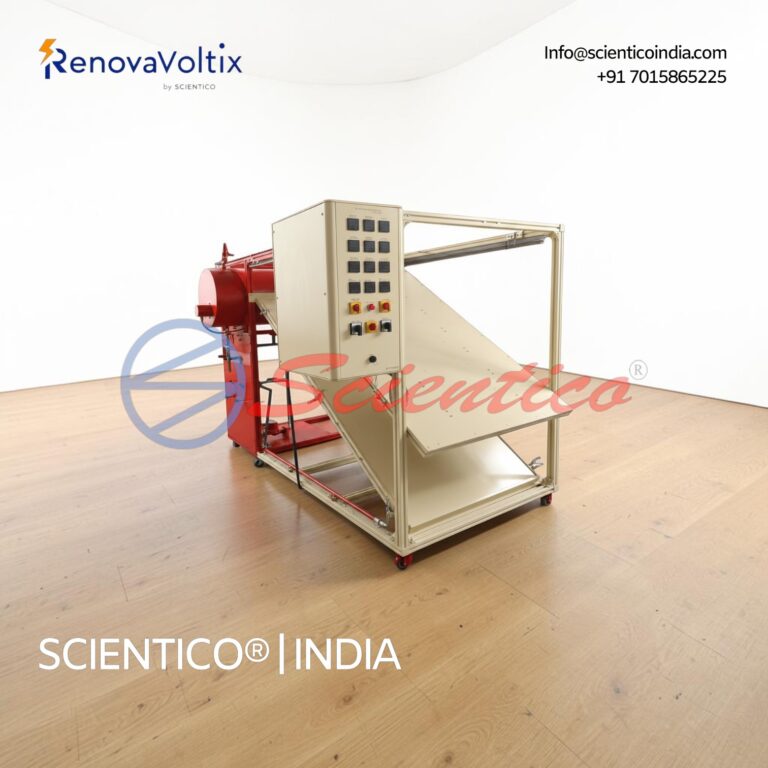
Solar Thermal Trainer | RVX-010
The Solar Thermal Trainer RVX-010 is a laboratory-based solar thermal training platform that demonstrates solar thermal heating of domestic water using both thermosiphon and forced pumping system configurations. It transforms solar energy into usable thermal energy using a high-power artificial solar simulator, enabling a full range of controlled indoor experiments. Product Overview The Solar Thermal Trainer RVX-010 consists of four core elements: a thermal solar collector, a storage tank, an artificial light source solar simulator, and a pumping system. The solar collector is mounted on an aluminium frame with copper tubes through which water flows, designed for maximum absorption efficiency. The accumulator tank is made from anti-corrosive material with an integrated heating element and safety device for over-temperature protection. The solar simulator uses lamps emitting radiation similar to sunlight, measured by a radiation sensor. Three lighting configurations are available: all lamps on, half the lamps on in a zig-zag pattern, or one lamp on. A pump provides forced convection of heat transfer fluid through the accumulator tank. The system supports both thermosiphon and forced pumping operation. Safety valves for overpressure protection are included. Sensors and meters record temperature, flow, and radiation. The unit is mounted on a metallic structure with wheels for mobility and features HDF panel construction with LED digital display instrumentation.
View product detailsDiploma Mechanical / RAC syllabus, where the refrigeration and AC trainer fits
Across most state technical boards in India (and the DGT-aligned ITI/polytechnic curriculum), the RAC practical paper in the fourth or fifth semester lists roughly 8 to 10 experiments: COP of a vapour-compression refrigeration system, effect of superheat and subcooling, performance of a window AC, split AC servicing, ice-plant tonnage calculation, psychrometric processes, and refrigerant charging. A single well-chosen refrigeration and AC trainer covers 6 of those without add-ons. That is the honest test of value.
For Diploma Mechanical students who branch into RAC, the trainer is also the lab where they first meet real instrumentation, pressure gauges on suction and discharge, temperature at four points on the cycle, energy meter, rotameter for refrigerant flow. If those readings are missing or unreadable, the practical becomes a memorisation exercise. Spec accordingly.
Specifications that matter for Diploma Mechanical / RAC
- Compressor: hermetically sealed, 1/4 to 1/2 TR is standard for a bench trainer. Anything smaller and the temperature swings are too quick for students to log; anything bigger and your electricity load exceeds most lab sub-boards.
- Refrigerant: insist on R-134a or R-600a on new orders. R-22 units are still being sold, don’t buy them, phase-out is real and refills get harder every year.
- Instrumentation: minimum four RTD or thermocouple points (compressor inlet/outlet, condenser outlet, evaporator inlet), two Bourdon gauges (HP/LP), one energy meter with 0.5 class accuracy, one rotameter. Digital readouts are nice; a good analogue set is fine.
- Expansion device: ideally the trainer lets students swap between capillary and thermostatic expansion valve. That single feature covers two experiments on its own.
- Standards: unit built under ISO 9001:2015 QMS, CE conformity on the electrical assembly, calibration traceable to ISO/IEC 17025 (NABL) where possible.
- Frame and safety: powder-coated MS frame, MCB and ELCB on the input, cut-out on HP side. Sight glass on the liquid line, filter drier, service valves. If the quote skips these, it isn’t a teaching trainer.
Common mistakes Diploma Mechanical / RAC colleges make when buying a refrigeration and AC trainer
- Buying on price alone. The cheapest quote almost always drops the rotameter, uses a single dial thermometer, and welds the expansion device. You save maybe 15% on the invoice and lose 3 of the 6 experiments the syllabus asks for.
- Ignoring refrigerant availability. I’ve walked into two polytechnics this year with brand-new R-22 trainers no local vendor will refill. Confirm the refrigerant is currently sold in your state before you sign the PO.
- No cut-away or transparent section. A refrigeration and AC trainer without a visible evaporator coil is a black box to a first-year RAC student. Ask for a mesh guard rather than sheet metal.
- Forgetting the AC side. “Refrigeration” trainers sometimes ship without a psychrometric or window-AC module. If your syllabus lists AC experiments, either buy a combined rig or budget for a companion unit up front, not later.
- Skipping the training visit. A one-day commissioning + lab-instructor training is worth more than a five-year warranty on paper. Ask for it in writing.
How the Scientico refrigeration and AC trainer fits Diploma Mechanical / RAC
Scientico has been building thermal and fluid trainers out of Ambala since 1993, currently shipping to 30+ countries, and the refrigeration line-up sits inside the same refrigeration and air conditioning training range that most Indian polytechnics have used for two decades. The units are built with the four-point instrumentation, swappable expansion device, and MS powder-coated frame I described above, so a Diploma Mechanical / RAC lab gets the full syllabus coverage on one bench rather than three. If your programme also runs a thermodynamics lab, the same workshop builds the RVX-010 solar thermal trainer and the wider ThermoFlux series, which lets you standardise vendors and consolidate AMC.
Compliance: NBA / NAAC / INC / PCI / AICTE requirements
For AICTE-approved diploma programmes and NBA accreditation visits, the lab manual has to map every listed experiment to an actual working setup with calibration certificates on file. A properly spec’d refrigeration and AC trainer clears this cleanly because it lists the ISO 9001:2015 build certificate, CE conformity on the electricals, and calibration traceability on the gauges and RTDs. NAAC peer teams typically ask two things in the RAC lab: is the equipment in use (log book), and does the instrumentation match the experiment write-up. If your gauges are painted over or the energy meter is dead, that’s a criterion 4 red flag. For programmes running polytechnic and TVET lab equipment under DGT norms, keep the calibration cycle at 12 months and file the certificate against each asset tag.
Sister programmes with their own regulators, INC for nursing colleges or PCI for pharmacy colleges, follow a similar equipment-list-plus-calibration logic, so the paperwork discipline transfers.
Ordering & delivery for Diploma Mechanical / RAC labs
For domestic buyers, expect several weeks of production from PO to dispatch. The compressor and controls are the long-lead items; if you clear the technical spec quickly the rest moves fast. Ex-works Ambala is the default. FOR-destination is available for most Indian state capitals, ask for it in the quote if your finance team can’t handle transporter payments separately. GST invoice, e-way bill, packing list, calibration certificates, and a bilingual user manual should all be part of the shipment, insist on that at PO stage rather than chasing later.
Export buyers usually go FOB Mundra or Nhava Sheva; sea transit adds weeks depending on the destination port. CE conformity on the electrical panel is on file, so EU and MENA customs clear without drama. Time the order to land at least four weeks before your semester start so the lab technician has room to commission, charge the refrigerant, and run a dry practical before students walk in. Every year I see labs that took delivery two days before class and spent the first practical explaining why the compressor is tripping.
If you also run a fluid mechanics or strength-of-materials lab in the same block, worth grouping the enquiry. The hydraulic bench buyer’s guide, the multi-pump test rig buyer’s guide, and the thermodynamics lab equipment buyer’s guide cover the same procurement logic and Scientico bundles freight when items ship together.
Talk to a Scientico engineer before you finalise the spec
Send the RAC lab experiment list from your board’s syllabus and one photo of the room (for panel positioning and drain routing). You’ll get a marked-up quote back with the specific refrigeration and AC trainer configuration that fits your Diploma Mechanical programme, not a generic PDF. WhatsApp is fastest for spec queries; the contact page is the right route for formal tender enquiries and institutional POs.
Frequently Asked Questions
What tonnage refrigeration and AC trainer is right for a diploma mechanical polytechnic lab?
1/4 to 1/2 TR bench-mounted units are the sweet spot. Small enough to run on a standard lab sub-board, big enough that students can log meaningful temperature and pressure swings inside a 2-hour practical.
Should I still buy an R-22 refrigeration trainer for my RAC lab?
No. Order R-134a or R-600a units on any new PO. R-22 is being phased out and refill availability is already inconsistent across Indian states, you don’t want a two-year-old trainer that can’t be recharged.
Does the Scientico refrigeration and AC trainer cover the full DGT / state-board RAC practical list?
A properly configured unit with swappable expansion device, four-point instrumentation, energy meter and rotameter covers 6 of the 8-10 listed experiments. Add a companion psychrometric or window-AC module for full coverage.
What lead time should I plan for a refrigeration and AC trainer to reach my polytechnic?
Several weeks of production plus dispatch time for domestic buyers. Export orders add sea transit. Place the PO at least 8-10 weeks before semester start so commissioning and calibration finish before students arrive.
What compliance documents should ship with the trainer for NBA and AICTE inspections?
ISO 9001:2015 QMS certificate, CE conformity on the electrical assembly, calibration certificates for gauges and temperature sensors, GST invoice, packing list, and a printed user/experiment manual. File them against the lab asset tag.
One honest ask
We don't gate anything on this site. You just read the whole thing free. If it was useful, leave your email and two things happen: we send you this page as a plain-text block you can paste into a tender file or an internal email, and we notify you the next time we publish a buyer tool like this one. Nothing else. No drip sequence, no sales calls booked without asking.