

Cavitations Apparatus | FluidoSurge-X 184

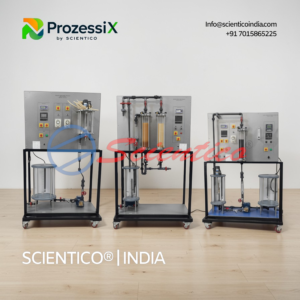
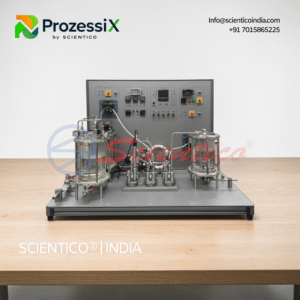
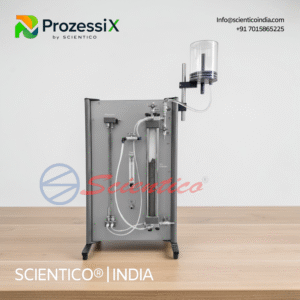
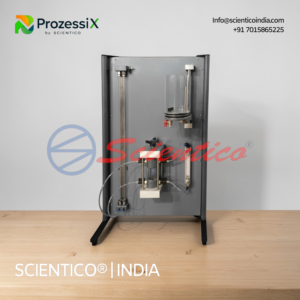
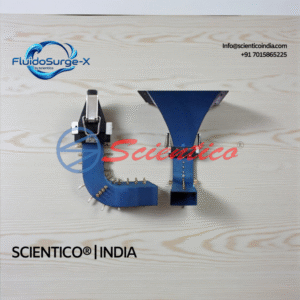
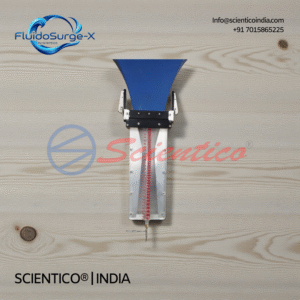
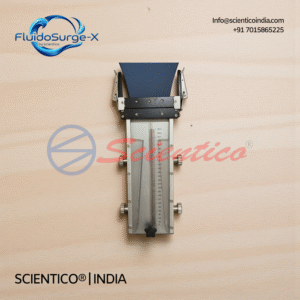
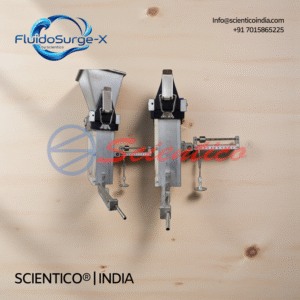
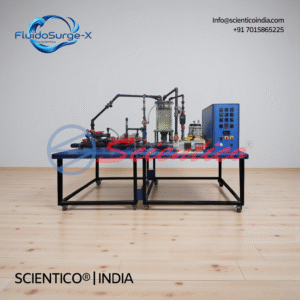
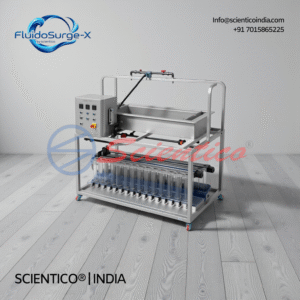
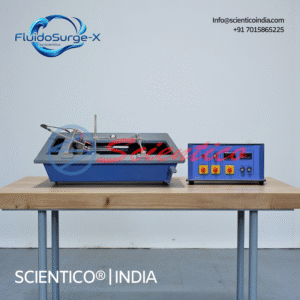
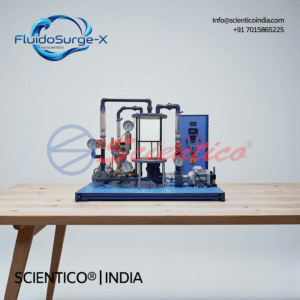
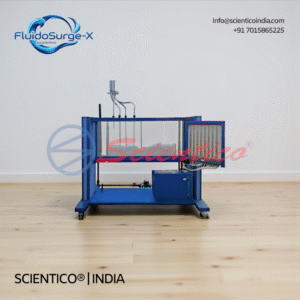
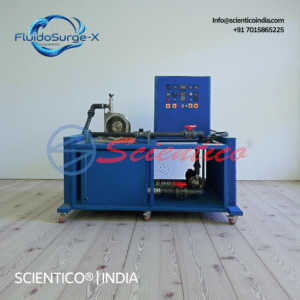
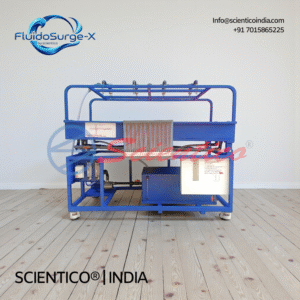
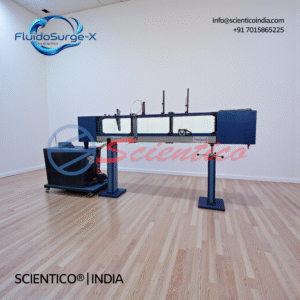
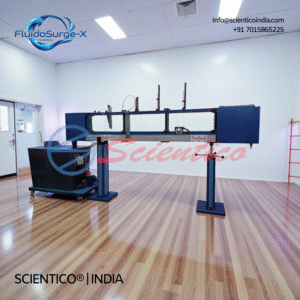
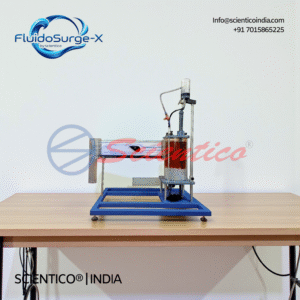
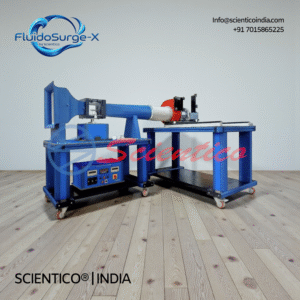
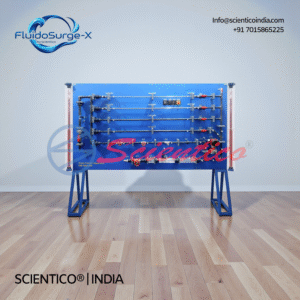
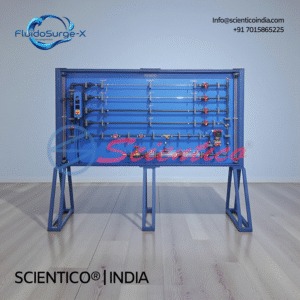
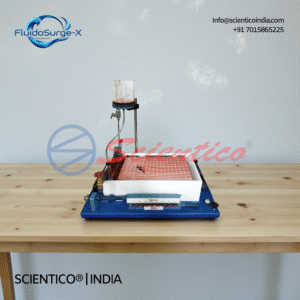
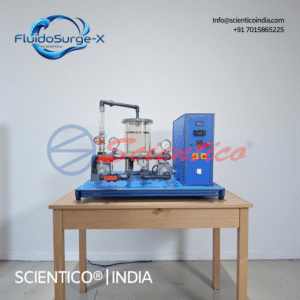
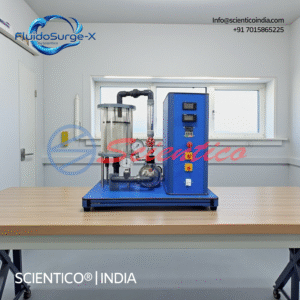
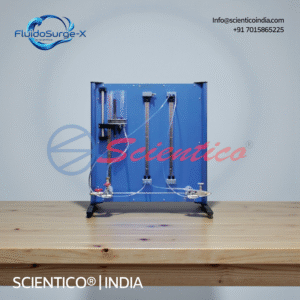
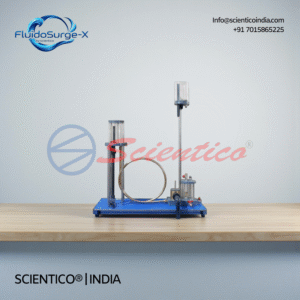
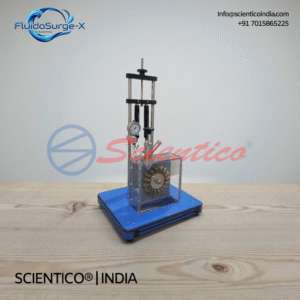
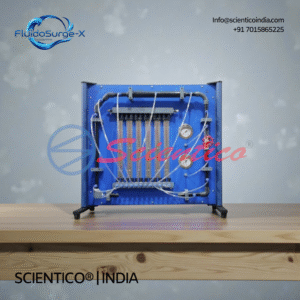
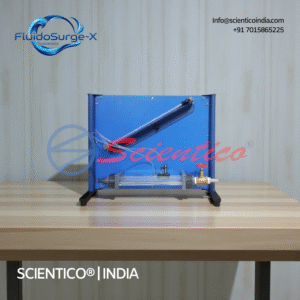
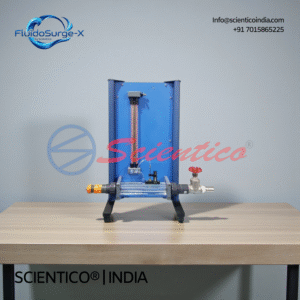
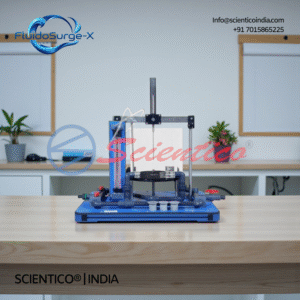
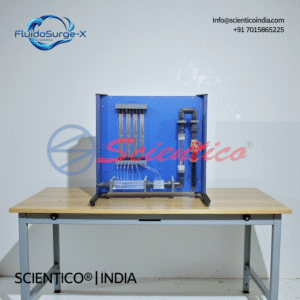
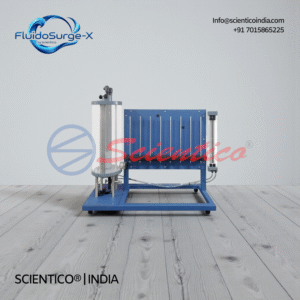
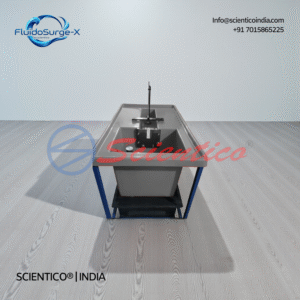
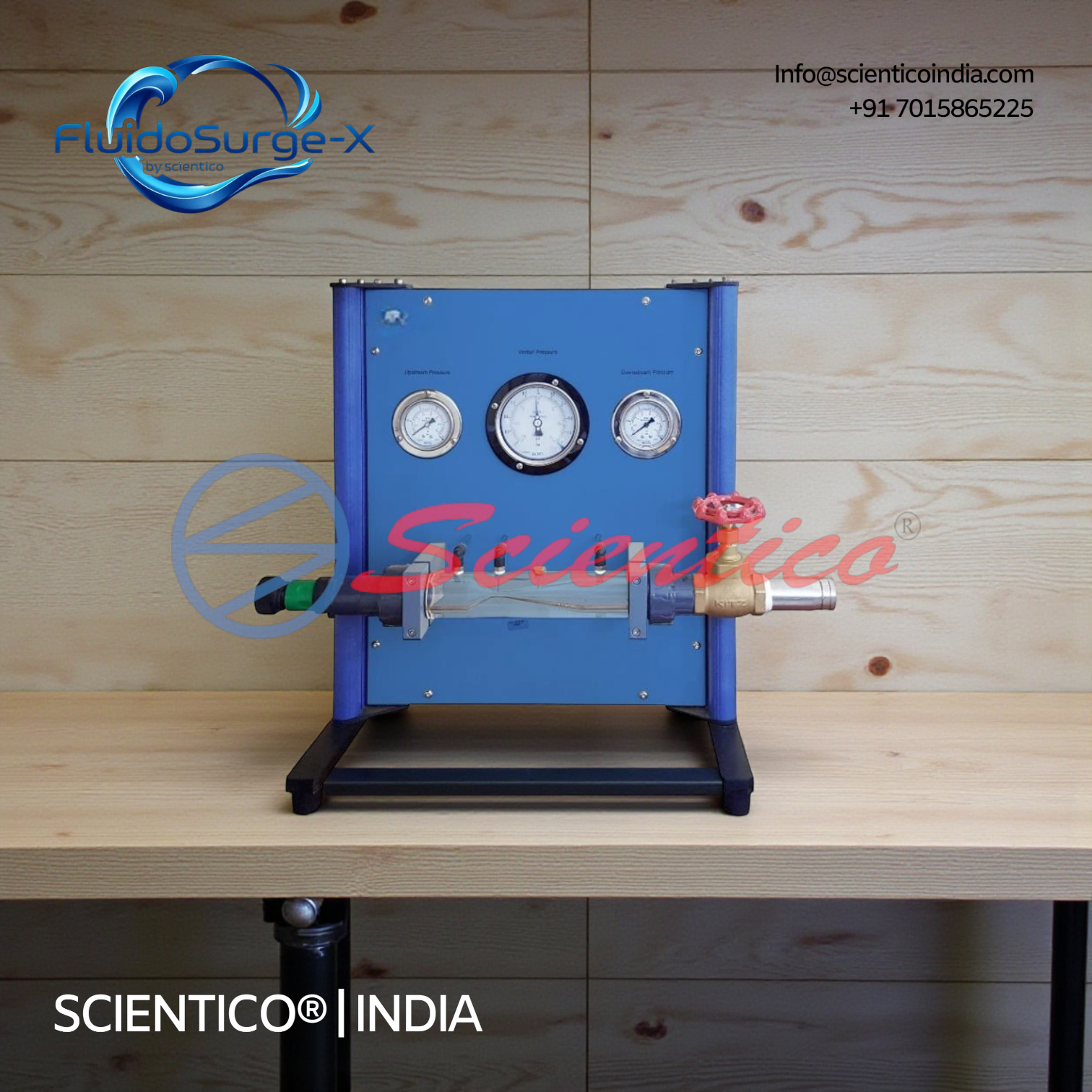
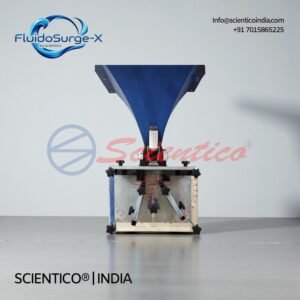
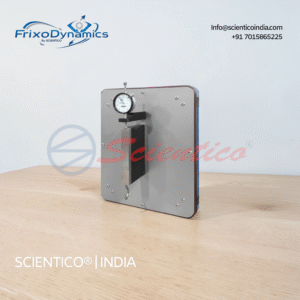
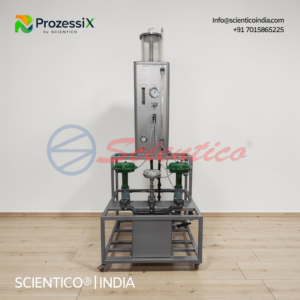
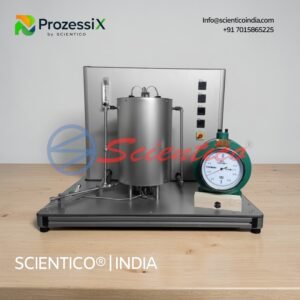
The Cavitations Apparatus FluidoSurge-X 184 is designed to demonstrate cavitation in flowing liquids using a transparent Venturi section. It allows visualization of vapor bubble formation and collapse under controlled pressure conditions. The setup includes pressure and vacuum gauges for detailed analysis. It is suitable for fluid mechanics laboratory teaching and experimental study of cavitation phenomena.
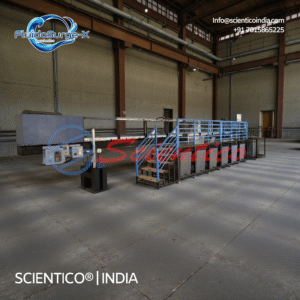
The Cavitations Apparatus FluidoSurge-X 184 is designed to demonstrate the formation and effects of cavitation in flowing liquids. It enables clear visualization of vapor bubble formation and collapse within a Venturi section. The apparatus supports controlled variation of flow rate and pressure to reach cavitation conditions. It is suitable for fluid mechanics laboratory instruction and experimental analysis.
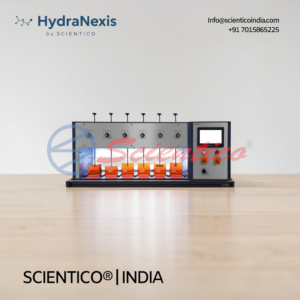
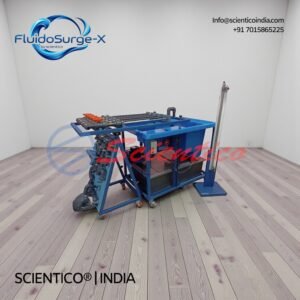

Product Overview

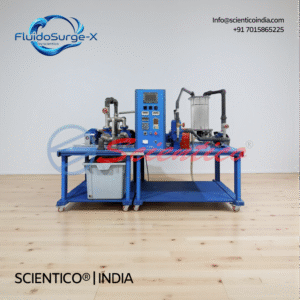
The SCIENTICO Cavitations Apparatus FluidoSurge-X 184 consists of a transparent Venturi shaped test section mounted on a hydraulic bench. As water flows through the converging section, velocity increases and static pressure decreases in accordance with Bernoulli’s equation. When the pressure at the throat falls to the vapor pressure of the liquid, vapor bubbles form and subsequently collapse in the downstream region where pressure recovers. The apparatus allows students to observe cavitation onset, intensity, and suppression by adjusting flow rate and static pressure.

Parameter Specification
Model FluidoSurge-X 184
Type Cavitations Apparatus
Application Cavitation Demonstration
Test Section Venturi shaped, transparent acrylic
Upstream Pressure Gauge Range 0 to 4 bar
Throat Vacuum Gauge Range -1 to 1 bar
Downstream Pressure Gauge Range 0 to 4 bar
Flow Control Upstream control valve
Mounting Plate with feet for hydraulic bench
Operation Requirement Hydraulic bench or laboratory water supply

Key Features-

  • Clear acrylic Venturi section for full visualization of cavitation

  • Demonstration of vapor bubble formation and collapse

  • Measurement of static pressure at upstream, throat, and downstream locations

  • Independent flow regulation for controlled cavitation onset

  • Bourdon gauges for real time pressure indication

  • Designed for safe operation with restricted downstream valve closure


Applications-

  • Observation of cavitation phenomenon in liquids

  • Comparison of theoretical and actual pressure at cavitation conditions

  • Study of air release from dissolved gases at low pressure

  • Demonstration of cavitation reduction by increasing static pressure

  • Fluid mechanics and hydraulic machinery laboratory experiments


Construction & Design Details-

The apparatus uses a circular Venturi shaped test section manufactured from clear acrylic for unobstructed observation. Pressure tapping points are located upstream of the contraction, at the throat, and downstream of the expansion. Each tapping is connected to a dedicated Bourdon pressure or vacuum gauge of suitable range. The assembly is mounted on a rigid plate with support feet to locate securely on the hydraulic bench.


Export & Supply Capability-

SCIENTICO manufactures the Cavitations Apparatus FluidoSurge-X 184 for domestic and international supply. The equipment is suitable for export to engineering colleges, universities, and technical training laboratories. Standard packing, flexible connections, and documentation are provided with each unit.

Q1. What phenomenon is demonstrated using this apparatus?
It demonstrates the formation and collapse of vapor bubbles in a liquid, known as cavitation.

Q2. How is cavitation initiated in the experiment?
Cavitation is initiated by increasing the flow rate until pressure at the Venturi throat reaches the vapor pressure of the liquid.

Q3. Can pressure be measured at different locations in the test section?
Yes, pressure is measured upstream, at the throat, and downstream using Bourdon gauges.

Q4. Is the apparatus safe to operate during cavitation?
Yes, flow control and valve restrictions are provided to protect instrumentation during experiments.

Q5. What water supply is required for operation?
The apparatus operates using a hydraulic bench with closed water circuit or a laboratory water connection.


You may also like

Lorem ipsum dolor sit amet, consectetur adipiscing elit, sed do eiusmod tempor incididunt ut labore et dolore magna aliqua. Ut enim ad minim veniam, quis nostrud exercitation ullamco laboris nisi ut aliquip ex ea commodo consequat.

Testimonials

Lorem ipsum dolor sit amet, consectetur adipiscing elit, sed do eiusmod tempor incididunt ut labore et dolore magna aliqua. Ut enim ad minim veniam, quis nostrud exercitation ullamco laboris nisi ut aliquip ex ea commodo consequat.

Subscribe to our newsletter

Lorem ipsum dolor sit amet, consectetur adipiscing elit, sed do eiusmod tempor incididunt ut labore et dolore magna aliqua.

    My Quote List

    Cart Quote is empty.
    Scroll to Top