Q1: What is the clutch plate friction apparatus used for in engineering education?
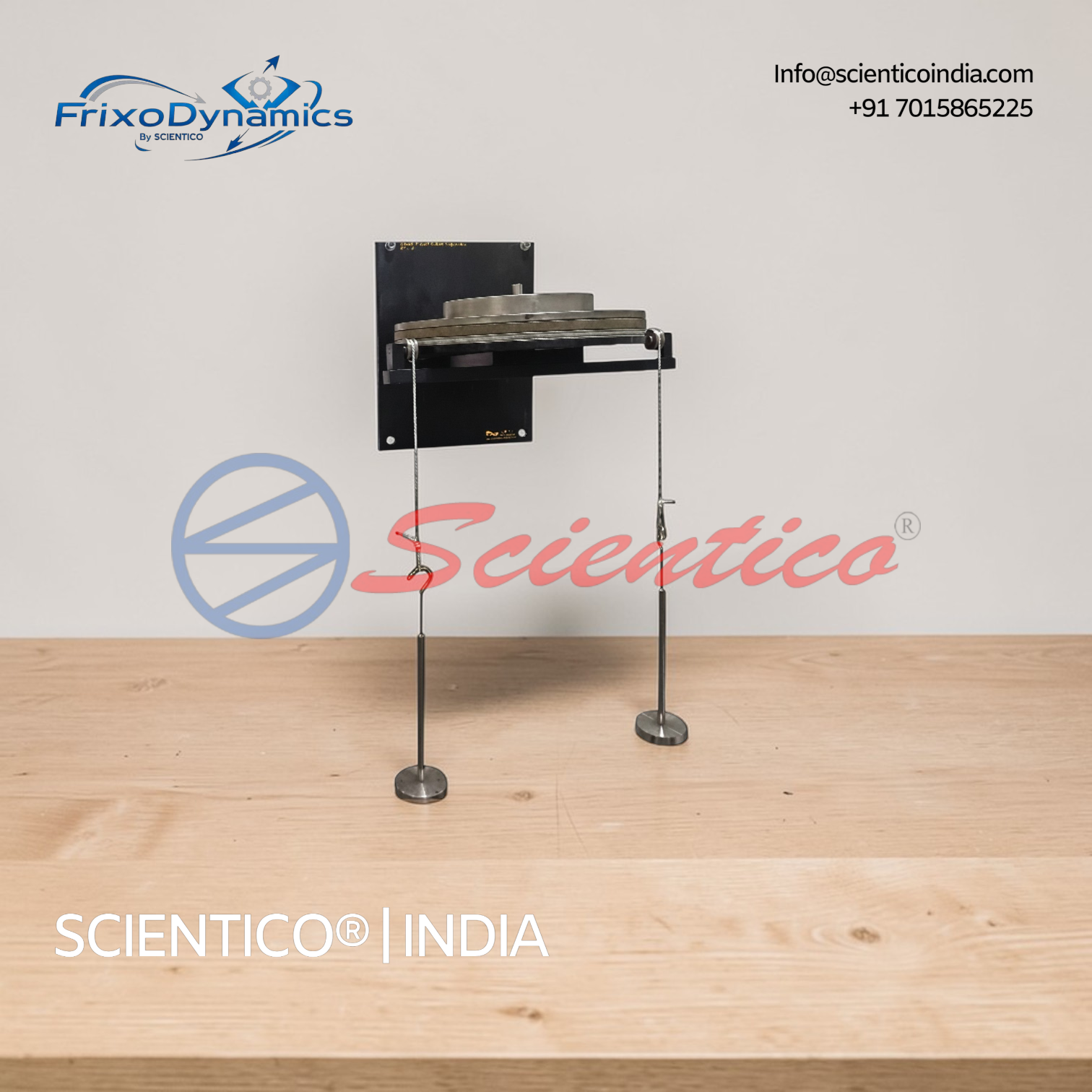
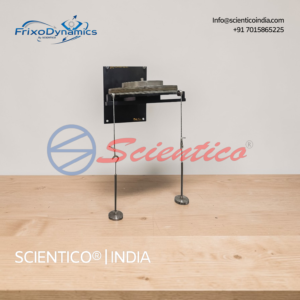
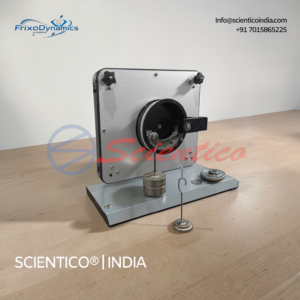
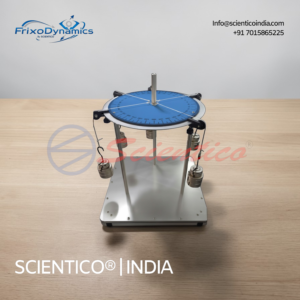
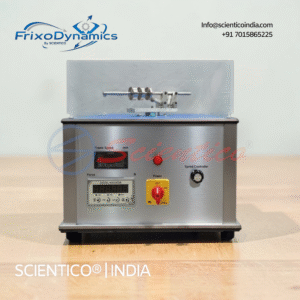
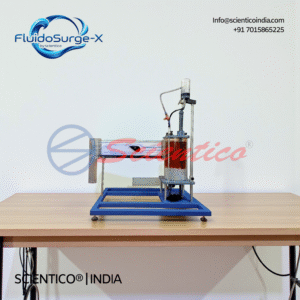
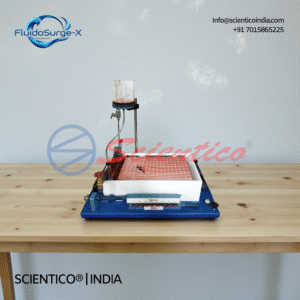
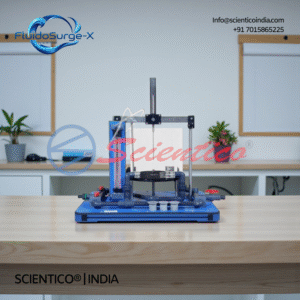
The FX-523 is used to investigate the friction behaviour of flat disc clutch plates under controlled axial clamping loads. Students apply incremental torque to a clutch plate pressed against a leather disc and identify the slip threshold — the maximum torque the clutch can transmit at that clamping load. By repeating the experiment with four different friction disc types and at multiple clamping loads, students study how disc material, contact geometry, and clamping force each affect clutch torque capacity.
Q2: What is the difference between the solid disc and the ring disc provided with the FX-523?
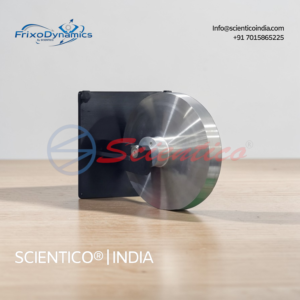
The solid friction discs have a full 250 mm diameter contact face, maximising the contact area and the effective friction radius. The ring disc has the same 250 mm outer diameter but a 150 mm inner diameter, removing the central contact area. Since the inner region of a disc contributes less moment arm per unit area, the ring disc geometry is more efficient in terms of torque per unit contact force — and the comparison between the two directly illustrates the difference between uniform pressure and uniform wear contact assumptions.
Q3: What are the uniform pressure and uniform wear theories, and how does the FX-523 support their comparison?
The uniform pressure theory assumes that the contact pressure is equal across the entire disc face, which is more applicable to new or rigid clutch surfaces. The uniform wear theory assumes that wear rate is uniform across the face, leading to a non-uniform pressure distribution that is more applicable to bedded-in surfaces. Both theories yield different predictions for the friction torque at a given clamping load. The FX-523 allows experimental torque values to be compared against both theoretical predictions, helping students identify which theory better represents the measured behaviour for each disc type.
Q4: How is the axial clamping load applied without affecting the torque measurement on the FX-523?
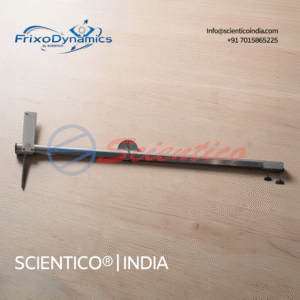
The axial clamping load is applied through a loading arm system acting via a thrust bearing. The thrust bearing transmits the axial force from the loading arm to the clutch plate while allowing the plate to rotate freely, so the loading arm does not resist or contribute to the rotational torque at the disc interface. This separation of the axial loading path from the torque path ensures that the measured effort weight corresponds only to the friction torque at the clutch disc faces.
Q5: What is included in the scope of delivery for the FX-523?
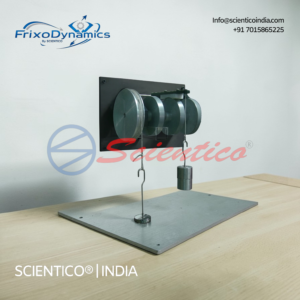
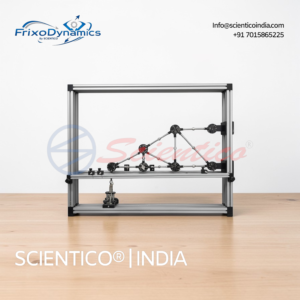
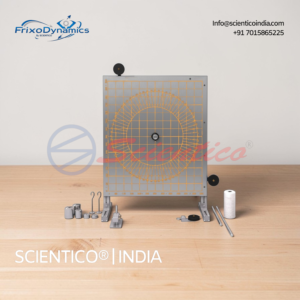
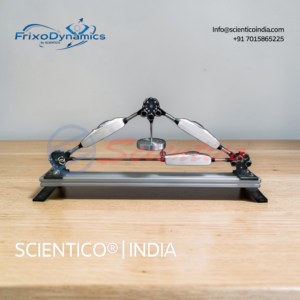
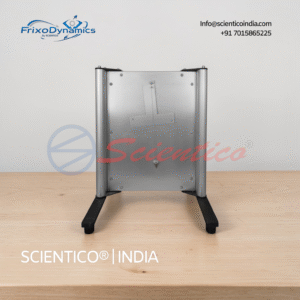
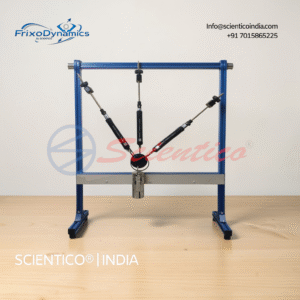
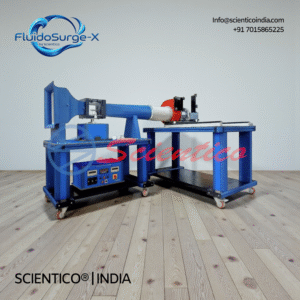
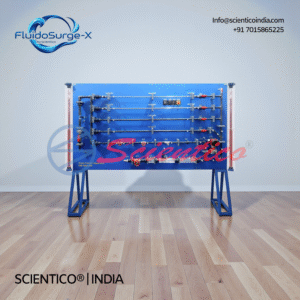
The FX-523 is supplied as a complete experimental kit including: one clutch plate friction experimental unit with leather driving disc, loading arm, thrust bearing, and dual effort pulleys; four friction discs (galvanised steel 250 mm, clutch lining 250 mm, loose friction disc 250 mm, ring disc 250 mm outer/150 mm inner); two additional 30 N weights; two sets of calibrated weights (2 x 1 N hangers, 8 x 5 N, 6 x 2 N, 4 x 1 N); one thread; and one instructional manual covering experimental procedures, calculation method comparisons, and data recording guidance.