Q1: What is the dry, rough and lubricated friction apparatus used for?
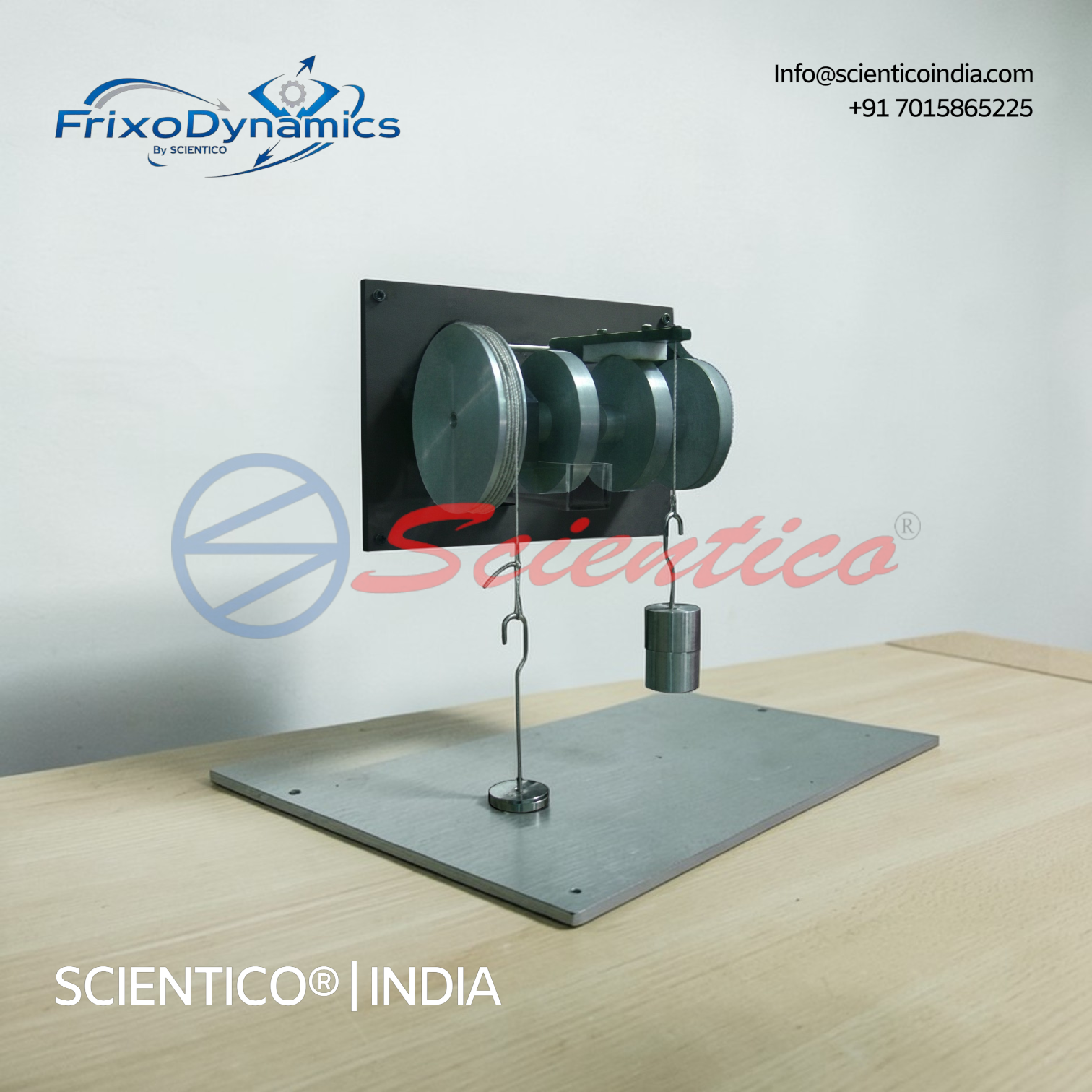
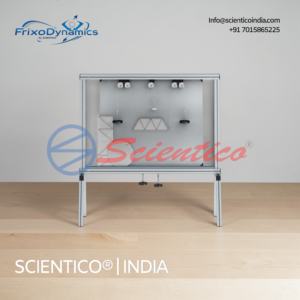
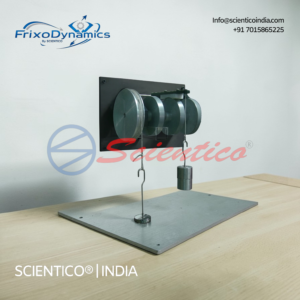
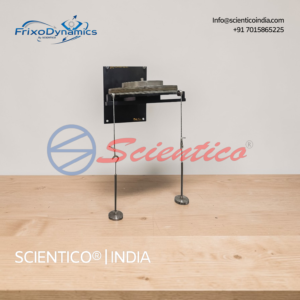
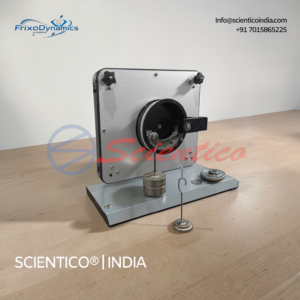
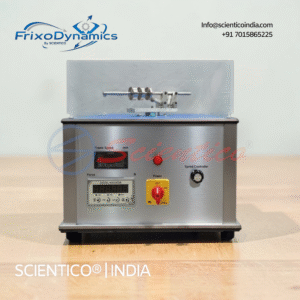
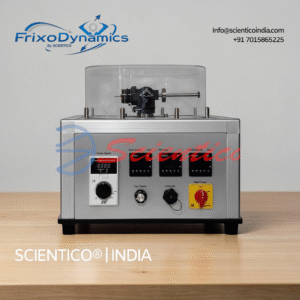
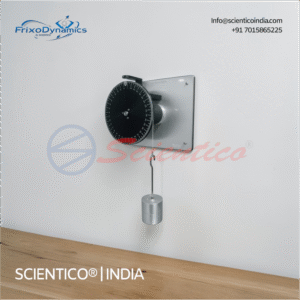
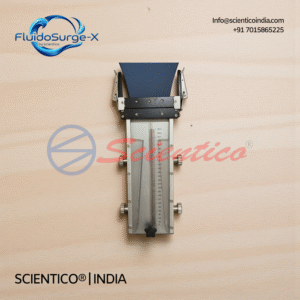
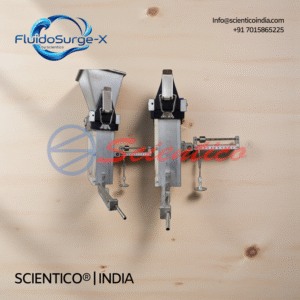
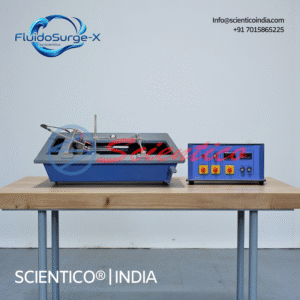
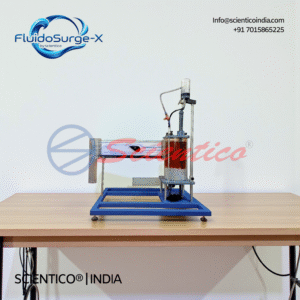
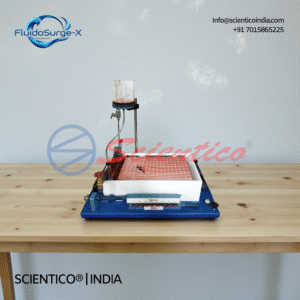
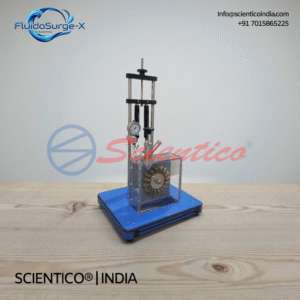
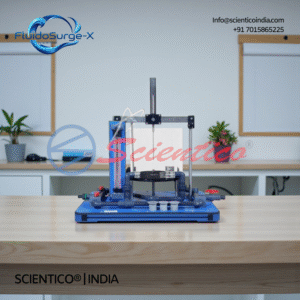
The FX-524 is used to determine the coefficient of sliding friction for different material pairings under three disc surface conditions — dry fine-machined, rough, and lubricated. Students apply a controlled braking force to a selected disc surface using one of five sliding material samples or a roller bearing, increase the effort load on the pulley until the shaft rotates at a steady rate, and calculate the friction coefficient from the measured forces. The experiment is repeated across surface conditions, material pairings, and braking load levels to build a comprehensive friction dataset.
Q2: How does the lubricated disc differ from the dry disc on the FX-524?
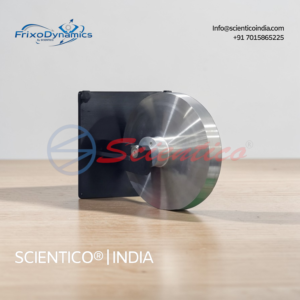
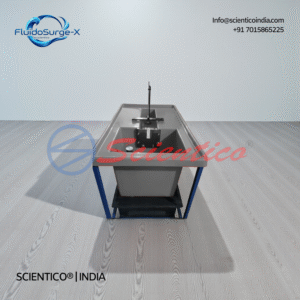
The lubricated disc is identical in base geometry to the dry fine-machined disc but incorporates an integral trough beneath its contact surface. Before the experiment, the user fills this trough with a chosen grease or liquid lubricant, which is drawn up to the contact interface during rotation. This introduces a lubricant film between the sliding material sample and the disc surface, reducing the coefficient of friction relative to the dry condition and directly demonstrating the effect of lubrication on friction and effort required.
Q3: What is the significance of including a roller bearing as a test element?
The roller bearing replaces sliding contact between the material sample and the disc with rolling contact. Since rolling friction is substantially lower than sliding friction for the same normal force, the roller bearing test gives a significantly lower friction coefficient than any of the five sliding material samples under the same braking and effort conditions. This comparison directly illustrates the engineering rationale for using rolling element bearings in applications where minimising frictional losses is important.
Q4: How is the coefficient of friction calculated from the FX-524 experimental data?
The coefficient of friction is calculated from the ratio of the friction force to the normal force at the disc contact. The friction force is derived from the effort load on the pulley hanger and the pulley and disc radii, using the torque balance condition at constant shaft rotation speed. The normal force is the braking load applied to the lever. With both values known, the coefficient of friction equals the friction force divided by the normal force. Results can be plotted graphically as friction force versus braking load to confirm linearity and extract the friction coefficient as the slope.
Q5: What is included in the scope of delivery for the FX-524?
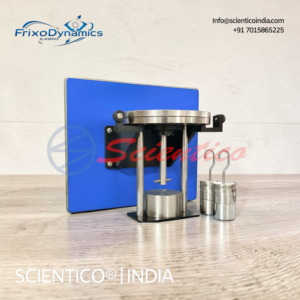
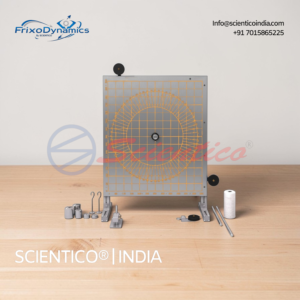
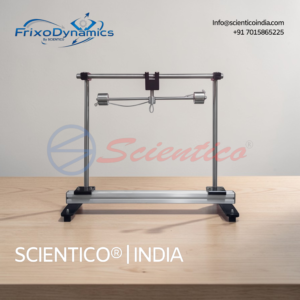
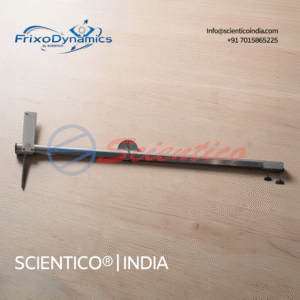
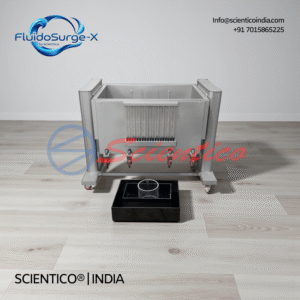
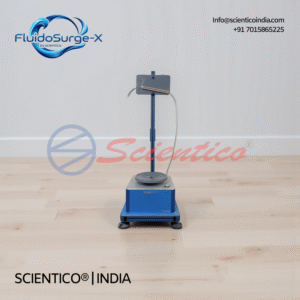
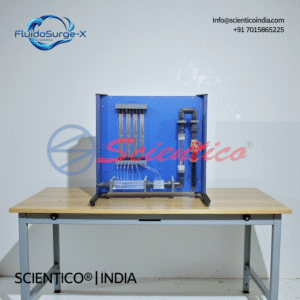
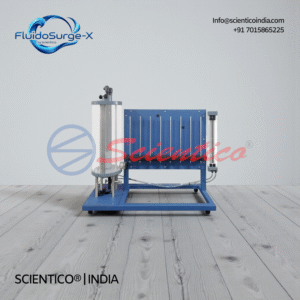
The FX-524 is supplied as a complete experimental kit including: one wall or frame-mounted friction experimental unit with three-disc shaft assembly (dry, lubricated, and rough discs), braking lever, and effort pulley; five sliding material samples (steel, brass, nylon, brake lining, rubber); one roller bearing test element; two sets of calibrated weights (2 x 0.5 N hangers, 4 x 5 N, 4 x 2 N, 2 x 1 N, 2 x 0.5 N); one thread; and one instructional manual with operating procedures, maintenance guidance, and example results for student comparison.