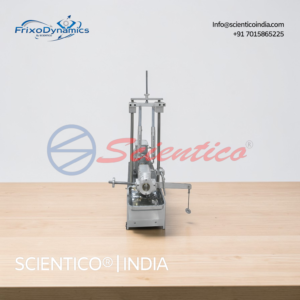
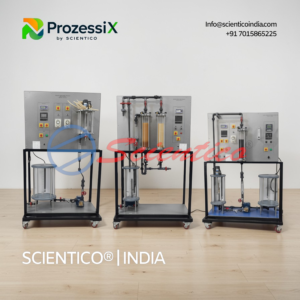
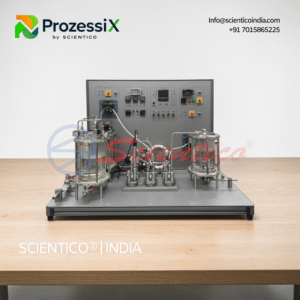
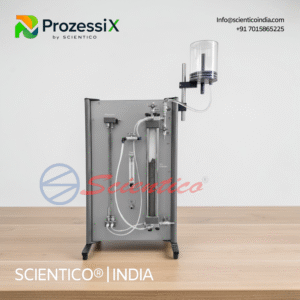
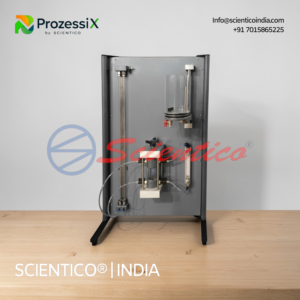
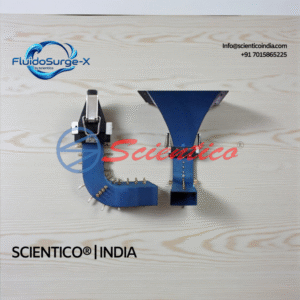
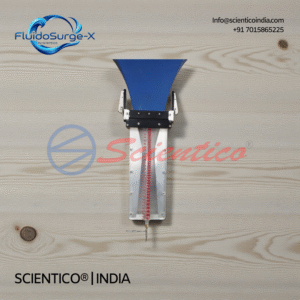
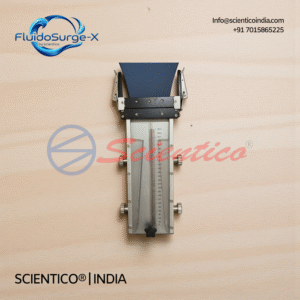
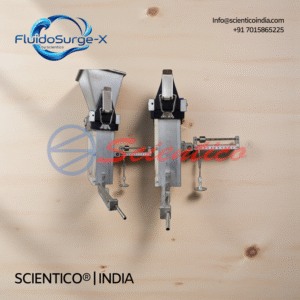
Permeability and Fluidization Studies Apparatus – HydraNexis HNX 12

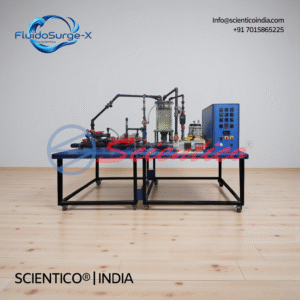
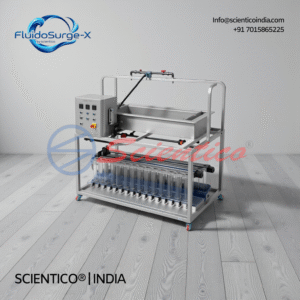
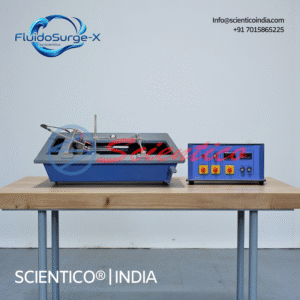
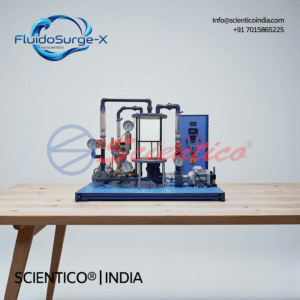
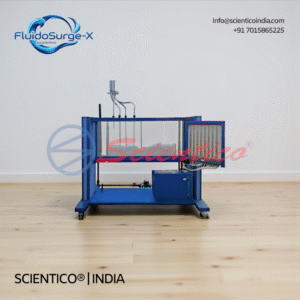
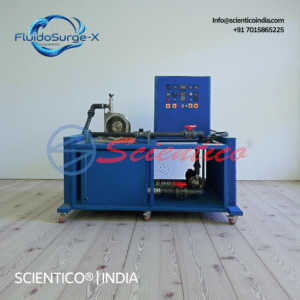
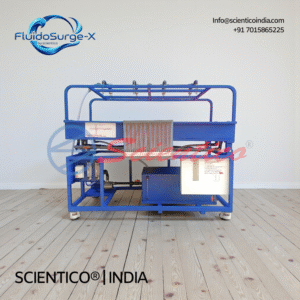
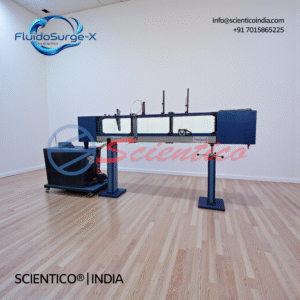
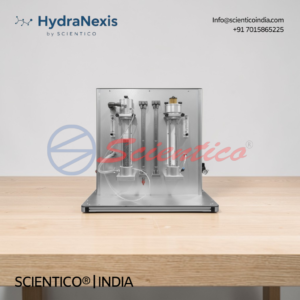
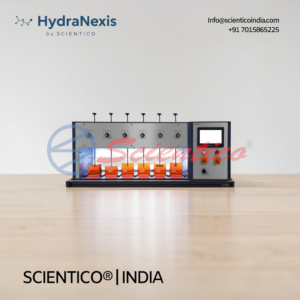
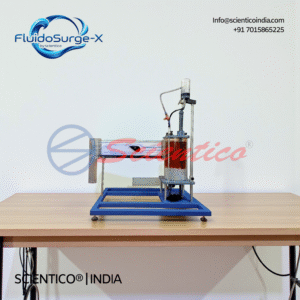
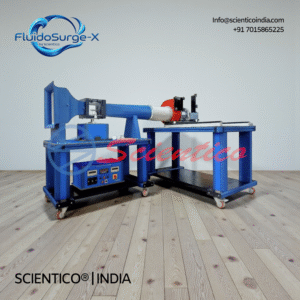
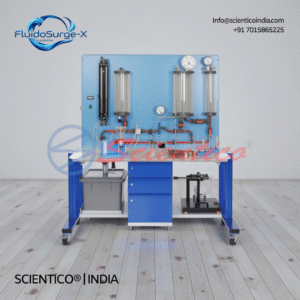
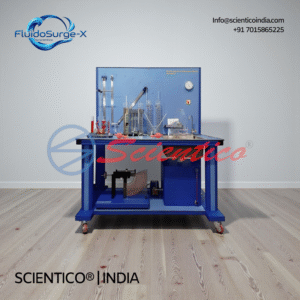
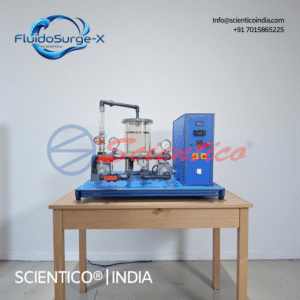
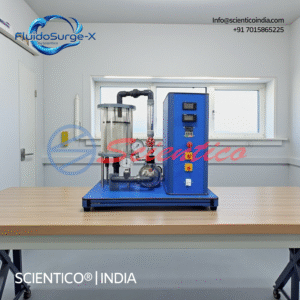
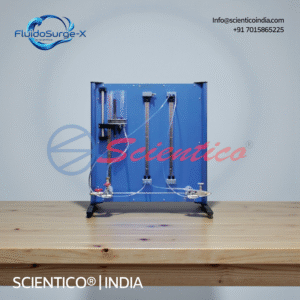
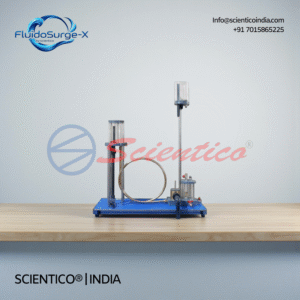
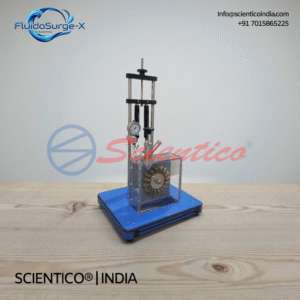
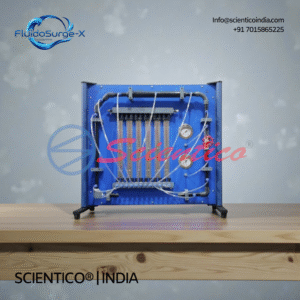
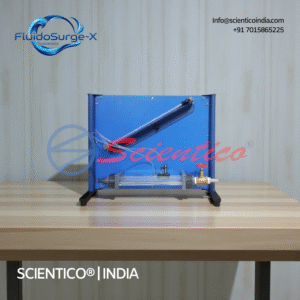
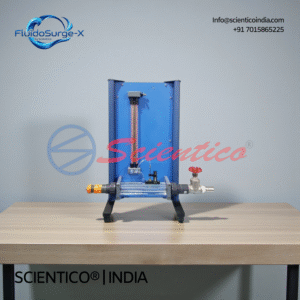
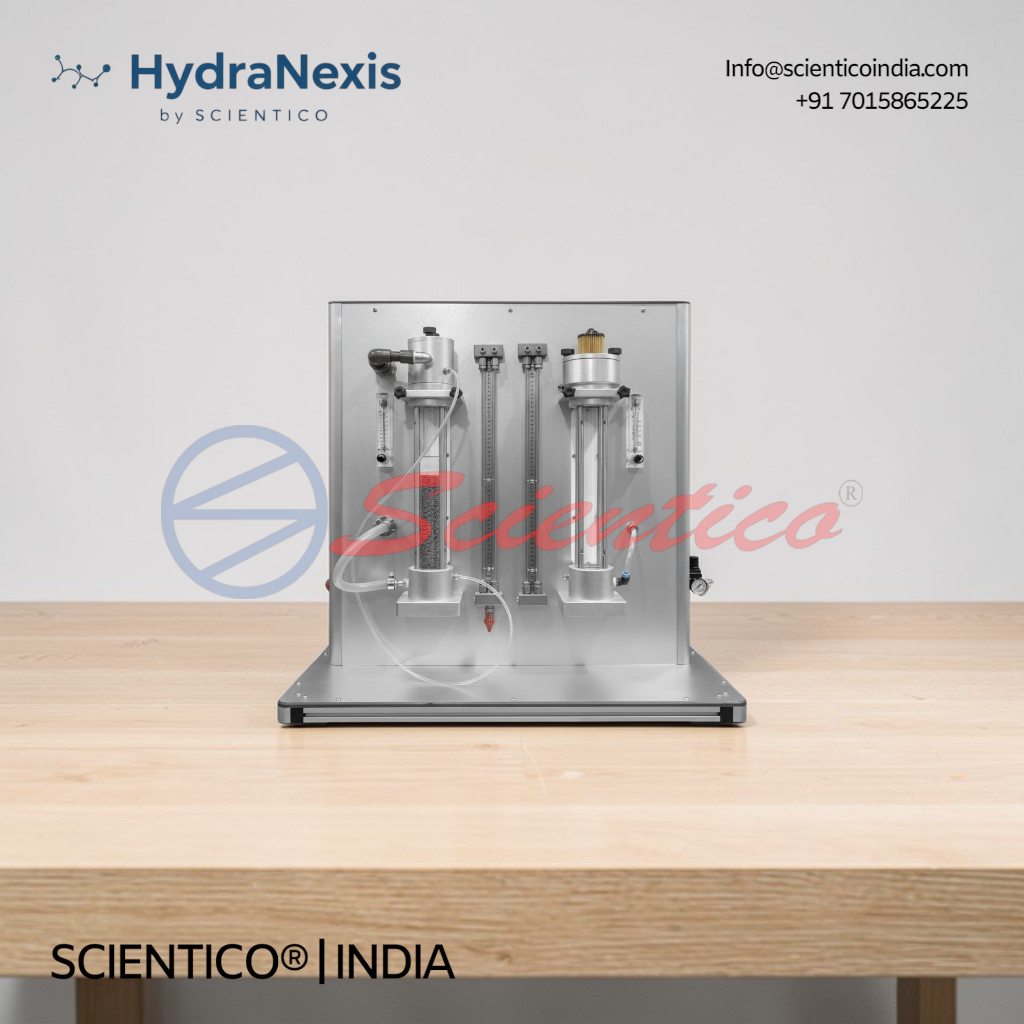
The Permeability and Fluidization Studies Apparatus (HydraNexis HNX 12) by SCIENTICO is a non-electrical, laboratory-scale system for studying permeability, pressure drop, and fluidization in granular beds. With a transparent test section, constant head supply, and differential pressure measurement, it is ideal for educational and research applications in water treatment and environmental engineering.

The Permeability and Fluidization Studies Apparatus (HydraNexis HNX 12) by SCIENTICO is a laboratory-scale experimental unit designed to study flow through packed beds, permeability, and liquid fluidization behavior of granular media. It is widely used in environmental engineering, water treatment, and chemical engineering laboratories for fundamental transport and filtration studies.  
Product Overview
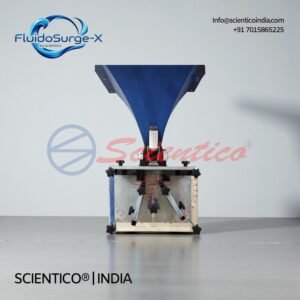
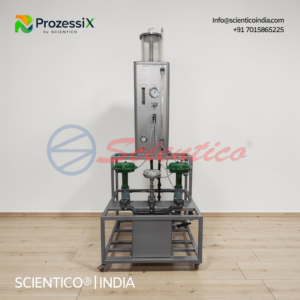
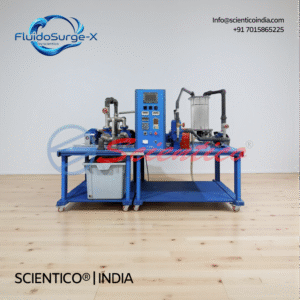
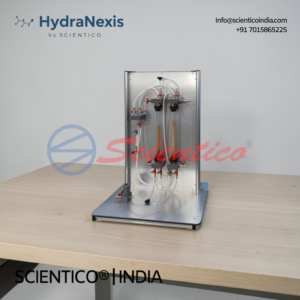
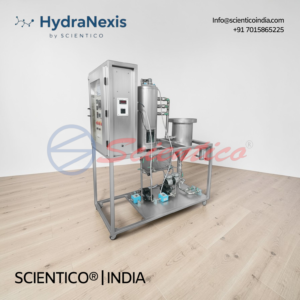
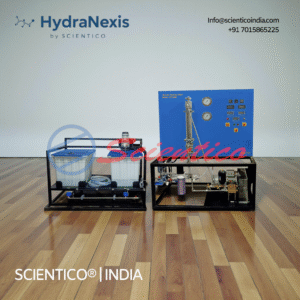
  Permeability and fluidization are core concepts in water treatment processes such as filtration, backwashing, and granular media design. The HydraNexis HNX 12 enables controlled investigation of Darcy’s law, Kozeny’s equation, pressure drop behavior, and fluidized bed characteristics using a transparent, easily observable test section. The apparatus consists of a demountable transparent tube filled with a granular bed, typically sand, with the option to use alternative media such as Ballotini or anthracite. Water flow can be directed upward or downward through the bed, allowing both packed-bed and fluidized-bed studies. A constant head tank supplies water from a laboratory tap, ensuring stable hydraulic conditions and allowing air bubbles to escape before entering the test section. Flow rate is manually controlled using a needle valve and displayed on a variable area rotameter. Pressure drop across the granular bed is measured using either a water or mercury differential manometer, depending on the magnitude of the pressure loss. The transparent tubing and test section allow direct visualization of bed expansion, fluidization, and air bubble presence. The system operates without electrical power, making it portable, simple to install, and suitable for teaching environments.

Mechanical & Operational Data

Note: Mercury is not supplied due to export regulations.

Parameter Specification
Sample Tube Inner Diameter 38 mm
Sample Tube Length 500 mm
Flow Meter Range 50–800 mL/min
Differential Manometer (Water) 0.5 m
Differential Manometer (Mercury) 0.5 m
Temperature Measurement Mercury thermometer
Bed Materials Sand, Ballotini, Anthracite (as applicable)


Key Features

  • Transparent test section for clear observation of packed and fluidized beds
  • Demountable sample tube for easy loading and cleaning
  • Constant head tank for stable flow conditions and air release
  • Manual flow control using needle valve
  • Variable area rotameter for flow indication
  • Dual differential manometers for low and high pressure drop measurement
  • Corrosion-resistant metal fittings
  • Fully mechanical operation with no electrical connection required
  • Lightweight and portable design

Process Capabilities

  • Flow through packed granular beds
  • Liquid fluidization studies
  • Permeability measurement of granular media
  • Pressure drop and hydraulic correlation analysis

Experiments & Learning Outcomes

  • Pressure drop measurement across packed beds
  • Correlation of experimental data with Darcy’s law
  • Verification of Kozeny’s equation
  • Study of permeability of granular solids
  • Observation of liquid fluidized bed behavior
  • Attrition testing of granular materials

Construction & System Design

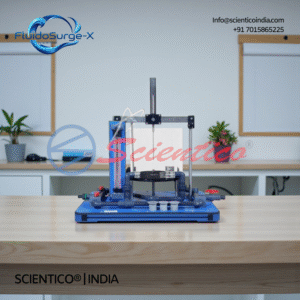
The HydraNexis HNX 12 is built on a robust metal framework with transparent tubing and test sections for maximum visibility during experiments. All wetted metal components are corrosion-resistant to ensure long service life in laboratory environments. The system’s simple, non-electrical design enhances reliability and makes it suitable for frequent academic use.
Export & Supply Capability

SCIENTICO manufactures the HydraNexis HNX 12 for global academic and laboratory markets. The apparatus is suitable for international supply with standard export packaging, documentation, and optional customization of bed materials as per experimental requirements. Compliance with export regulations is maintained, including exclusion of restricted items such as mercury.
Q1. What is the main purpose of the Permeability and Fluidization Studies Apparatus?
It is used to study flow through granular beds, measure permeability, and observe liquid fluidization behavior under controlled laboratory conditions.

Q2. Which materials can be used as the packed bed?
The unit typically uses sand but can also operate with alternative materials such as Ballotini or anthracite.

Q3. Can both upward and downward flow be studied?
Yes, the apparatus allows water to flow in either direction, enabling packed-bed and fluidized-bed experiments.
Q4. How is pressure drop measured across the bed?
Pressure drop is measured using a 0.5 m water differential manometer or a 0.5 m mercury manometer, depending on the pressure range.

Q5. Does the system require electrical power?
No, the apparatus operates entirely without electrical connections, making it portable and easy to use in teaching laboratories.
You may also like

Lorem ipsum dolor sit amet, consectetur adipiscing elit, sed do eiusmod tempor incididunt ut labore et dolore magna aliqua. Ut enim ad minim veniam, quis nostrud exercitation ullamco laboris nisi ut aliquip ex ea commodo consequat.
Testimonials

Lorem ipsum dolor sit amet, consectetur adipiscing elit, sed do eiusmod tempor incididunt ut labore et dolore magna aliqua. Ut enim ad minim veniam, quis nostrud exercitation ullamco laboris nisi ut aliquip ex ea commodo consequat.

Subscribe to our newsletter

Lorem ipsum dolor sit amet, consectetur adipiscing elit, sed do eiusmod tempor incididunt ut labore et dolore magna aliqua.

    My Quote List

    Cart Quote is empty.
    Scroll to Top