Q1: What is the dry friction apparatus used for in engineering education?
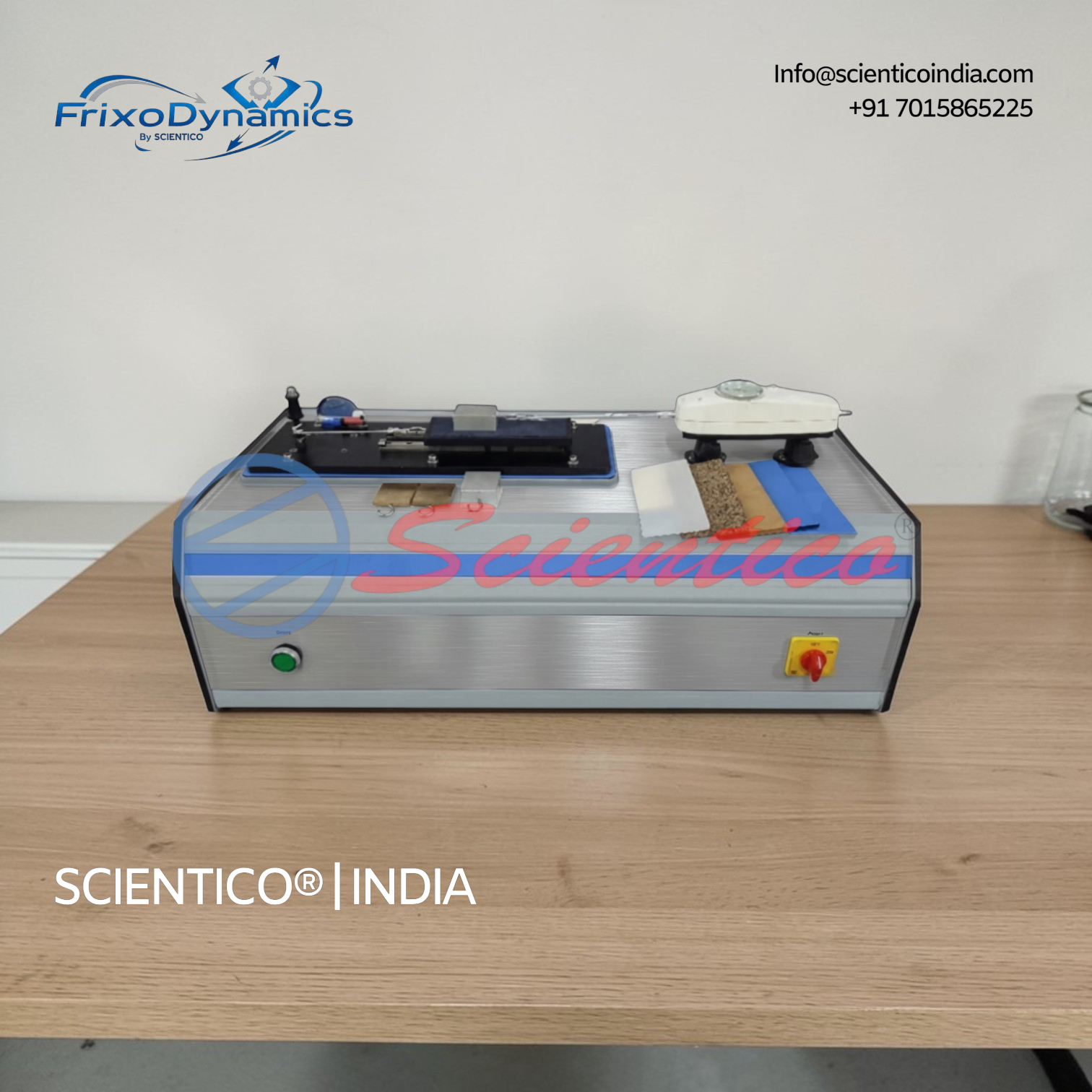
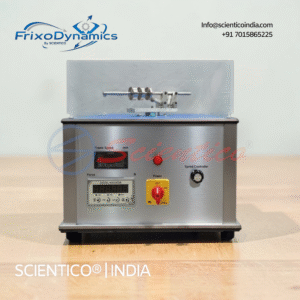
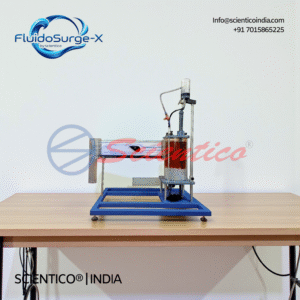
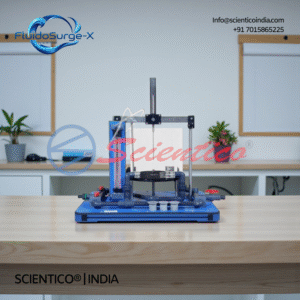
The FX-527 is used to investigate the factors governing dry friction between solid bodies in contact — specifically the effects of normal force, sliding velocity, material pairing, surface roughness, and contact area on the friction force and coefficient of friction. A motorised carriage drives the support surface at two constant velocities beneath a stationary friction body connected to a precision force gauge, allowing both static and dynamic friction to be measured under controlled and repeatable conditions.
Q2: What is the difference between static and dynamic friction, and how does the FX-527 measure both?
Static friction is the resistance to the onset of relative motion between two bodies in contact — it must be overcome before sliding begins. Dynamic friction is the resistance to continued relative motion once sliding has started, and is generally lower than the peak static friction value. The FX-527 captures static friction at the moment the carriage begins to move and the friction body cord first tenses to the maximum before sliding commences. Dynamic friction is then the steady-state force gauge reading as the carriage moves at constant speed beneath the friction body.
Q3: Why is the force gauge mounting height-adjustable on the FX-527?
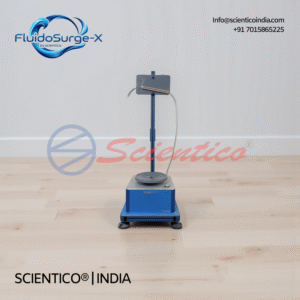
The height adjustment ensures that the cord connecting the friction body to the force gauge runs horizontally and parallel to the support friction surface at all times, regardless of the friction body height. If the cord were angled — either upward or downward — the measured tensile force would include a vertical component that does not correspond to the friction force, introducing systematic measurement error. By adjusting the gauge height to match the friction body height, the lines of action of the friction force and the cord tensile force are kept parallel, ensuring accurate force measurement.
Q4: How does the FX-527 handle stick-slip effects in the friction force measurement?
Stick-slip is a phenomenon in which the friction force fluctuates rapidly between a high static peak and a lower dynamic value as the surfaces alternately adhere and slide. The force gauge in the FX-527 is designed with a compliant internal suspension that absorbs these rapid fluctuations, displaying a smoothed mean friction force value rather than the instantaneous spiking that would otherwise make the reading difficult to record accurately. This design gives a stable, representative dynamic friction force reading suitable for coefficient of friction calculations.
Q5: What is included in the scope of delivery for the FX-527?
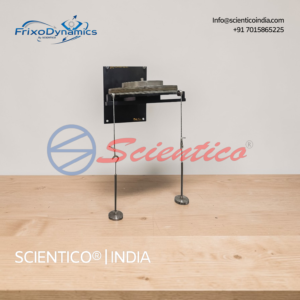
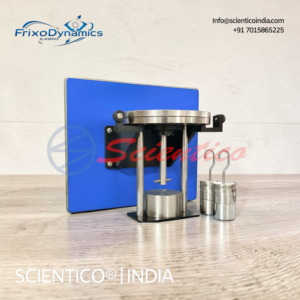
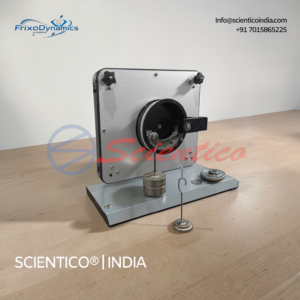
The FX-527 is supplied as a complete experimental kit including: one motorised dry friction experimental unit with synchronous motor, graduated cable drum, carriage track, support friction surface carriage, and height-adjustable force gauge (0–10 N, 0.05 N graduation); four friction bodies (smooth aluminium h = 20 mm, rough aluminium h = 20 mm, smooth brass h = 5 mm, rough brass h = 5 mm); multiple interchangeable support friction surfaces covering four different surface types; and one set of calibrated weights (10 x 0.5 N).